
The Silent Stowaway: Investigating the Hantavirus Outbreak at Sea
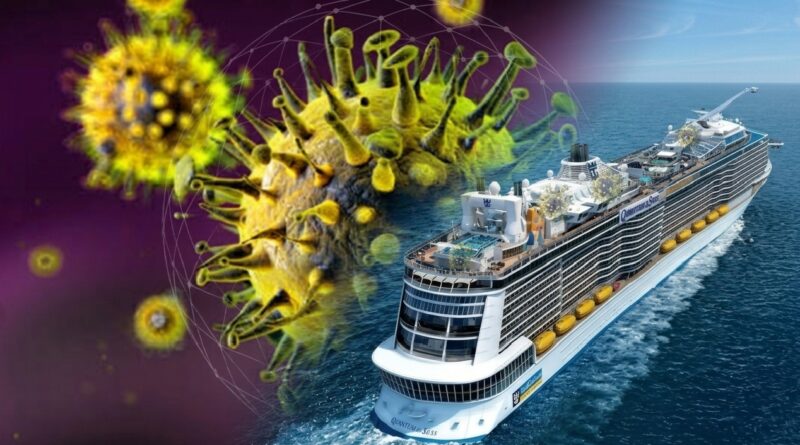
The pristine white corridors and luxury suites of a modern cruise ship are designed to be a sanctuary from the chaos of the world. However, the isolated nature of these vessels also makes them unique petri dishes for epidemiological curiosities. While the industry has spent years fortifying its defenses against Norovirus and respiratory infections, a recent occurrence has sent a ripple of concern through the maritime community: the appearance of Hantavirus on a cruise ship.
Typically associated with rural cabins and dusty barns, the presence of this rodent-borne pathogen on a high-end vessel departing from Ushuaia, Argentina, raises a critical question: how did a virus that relies on the “great outdoors” find its way into the sealed environment of a maritime liner?
The Source: From the Pampas to the Port
Hantaviruses are not like the common cold; they do not circulate naturally among humans. Instead, they are carried by specific species of rodents, such as deer mice in North America or the long-tailed pygmy rice rat in South America. These animals shed the virus in their saliva, urine, and droppings.Experts, including Maria Van Kerkhove of the WHO, suggest that the most likely “Patient Zero” was not a person, but a stowaway.
1. Infiltration During Embarkation
Ushuaia, known as the “End of the World,” serves as the primary gateway to Antarctica. The surrounding region of Patagonia is home to various rodent species known to carry Andes virus, a specific strain of Hantavirus found in South America. It is highly probable that the virus entered the ship via:
- Provisioning: Large quantities of food, linens, and supplies are loaded onto ships before departure. A single rodent nesting in a crate of dry goods can easily be transported from a warehouse into the ship’s galley or storage holds.
- Direct Infiltration: During docking, rodents are notorious for climbing mooring lines. While most modern ships use “rat guards” (metal discs on ropes), they are not foolproof.
2. The Dust of the Stopovers
Cruise ships are dynamic environments. Every port of call offers a fresh opportunity for environmental exposure. If the ship docked near areas with high rodent activity or if passengers went on excursions into rural or wooded areas, the virus could have been brought back on clothing, gear, or even within the lungs of a passenger who inhaled contaminated dust.
3. The Mechanism of Spread: Aerosols and Close Quarters
Once the virus is “onboard,” the way it infects humans is through aerosolization. When dried rodent waste is disturbed—perhaps during the cleaning of a storage locker or the movement of cargo—microscopic viral particles become airborne.On a cruise ship, the ventilation system becomes a critical factor.
While modern ships use HEPA filters and advanced air exchange protocols, the initial exposure usually occurs in localized, confined spaces. In this specific case, the focus shifted quickly to the cabins.
4. The Rare Phenomenon:Human-to-Human Transmission
What makes the South American strains of Hantavirus (like the Andes virus) particularly frightening compared to their North American counterparts is the potential for human-to-human transmission.While the primary route remains rodent-to-human, Van Kerkhove noted that in the close confines of a cruise ship, the virus may have found a secondary path.
When individuals share a cabin, they are in constant proximity, sharing the same air and surfaces. In these rare instances, the virus can spread through respiratory droplets or intimate contact.This “cabin clustering” is a nightmare scenario for ship physicians, as it suggests that the threat is no longer confined to the initial site of rodent contamination.
5. Managing the Outbreak: The Maritime Response
When an exotic pathogen like Hantavirus is suspected, the ship’s medical protocol shifts from standard care to “Level 4” containment strategies.
- Isolation and Quarantine: Close contacts and those in neighboring cabins must be isolated. Because the incubation period for Hantavirus can range from one to eight weeks, monitoring must continue long after passengers have disembarked.
- Environmental Remediation: Deep cleaning on a ship involves more than just bleach. It requires the use of disinfectants specifically rated to neutralize enveloped viruses and, crucially, a professional pest control sweep to ensure no rodents remain in the “skin” of the ship.
- Trace-Back Analysis: Epidemiologists work backward to identify which supply pallet or which port of call introduced the pathogen.
Conclusion: A Wake-Up Call for Maritime Security
The appearance of Hantavirus on a cruise ship is a stark reminder that as we explore more remote corners of the globe—like the rugged landscapes of Tierra del Fuego—we bring the local biome with us.The cruise industry has proven remarkably resilient in the face of health crises, but the Hantavirus incident highlights a need for even more stringent “biosecurity” at the pier.
It isn’t just about screening passengers for fevers anymore; it’s about ensuring that the cargo, the gear, and the very ropes that tie the ship to the land are not bringing the wilderness into the stateroom. For the modern traveler, the “End of the World” is a beautiful place to visit, but this incident proves that some of its smallest inhabitants are better left behind.