The Hormuz Standoff: A Dangerous Equilibrium in the 2026 Gulf Crisis
By Pkfeed News Network
April 23, 2026
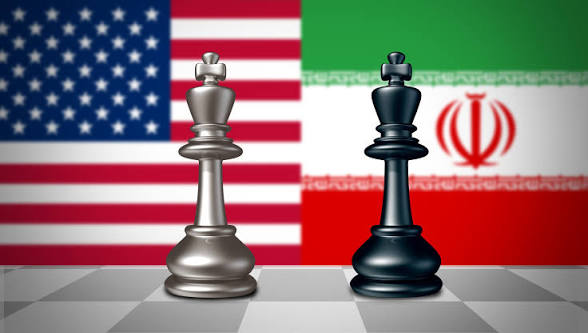
The sun rising over the Persian Gulf this morning illuminated a landscape of high-stakes brinkmanship that the world hasn’t seen in decades. What began as a localized conflict on February 28, 2026, has spiraled into a global economic and diplomatic crisis centered on a 21-mile-wide stretch of water; the Strait of Hormuz. As of today, the United States and Iran find themselves locked in a “stalemate” that threatens to transform a temporary ceasefire into a permanent state of attrition.
I. The Negotiating Table: Strategic Patience or Empty Rhetoric?
In Washington, the White House has adopted a posture of deliberate ambiguity. Following a flurry of activity on Truth Social, President Donald Trump unilaterally announced an extension of the ceasefire with Iran, reportedly at the behest of Pakistani Prime Minister Shehbaz Sharif. However, the administration was quick to clarify that this extension is not a sign of softening.
The White House press corps was informed on Wednesday that there is “no time pressure” to conclude the war. By refusing to set a hard deadline for the “extended ceasefire,” the Trump administration aims to keep Tehran off-balance, wait for internal Iranian political fractures to widen, and maintain its crushing naval blockade without the legal and political baggage of active combat operations.
”We are waiting for a unified proposal from the Iranian leadership,” a senior administration official noted. “Until they can decide who speaks for the regime—the President or the Revolutionary Guard—the blockade remains, and our military is ‘raring to go’.”
II. Tehran’s Defiance: The “Battlefield Cards”
If Washington is playing for time, Tehran is playing for leverage. Iranian Parliament Speaker and lead negotiator Mohammad Bagher Ghalibaf has emerged as the face of Iran’s hardline response. His recent statements have effectively slammed the door on immediate maritime de-escalation.
Ghalibaf characterized the reopening of the Strait of Hormuz as “not possible” under the current conditions, citing “flagrant and blatant” breaches of the ceasefire by US and Israeli forces. Specifically, Iran points to the ongoing US naval blockade as a fundamental violation of any “truce.”
The Stumbling Blocks for Iran:
- The Blockade: Iran views the strangulation of its ports as an act of war that continues despite the “ceasefire.”
- Breach of Commitments: President Masoud Pezeshkian has accused the US of “hypocritical rhetoric,” claiming that while Washington talks of peace, it continues to seize Iranian tankers in international waters.
- The “New Cards”: Ghalibaf warned that Iran has spent the ceasefire preparing “new cards on the battlefield,” a thinly veiled reference to advanced drone swarms or sea-mine technologies intended to raise the cost of the US blockade.
III. Crisis in the Strait: The Toll on Global Shipping
The rhetoric in the halls of power has translated into violence on the water. On Wednesday, the situation turned critical when Iranian forces fired upon three cargo ships—the MSC Francesca, the Epaminondas, and the Euphoria.
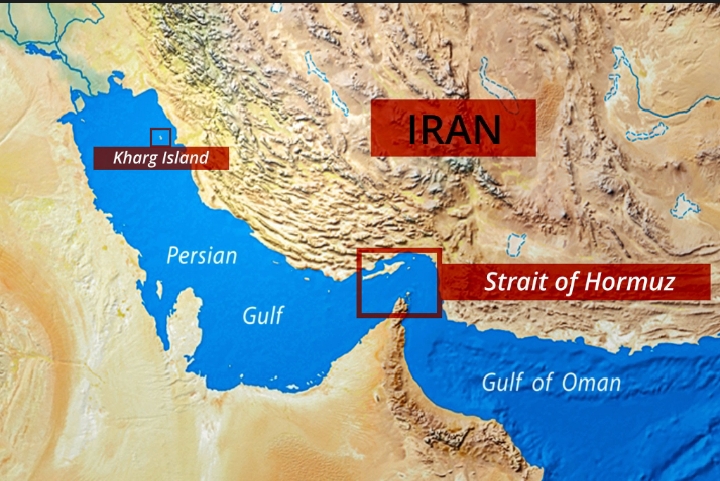
The MSC Francesca and the Epaminondas were seized and are currently being escorted to Iranian ports by the Islamic Revolutionary Guard Corps (IRGC). The Euphoria, according to Iranian state media, became “stranded” on the coast during the engagement. These attacks represent a direct challenge to the US naval presence and have sent ripples through global markets.
Economic Fallout of the Standoff:
- Oil Prices: Brent Crude has surged past $120 per barrel, with the International Energy Agency calling this the “largest supply disruption in history.”
- Regional Food Security: Gulf Cooperation Council (GCC) states, which rely on the Strait for 80% of their food imports, are facing a “grocery supply emergency.” Prices for staples have risen by 40% to 120% in some regions.
- European Strain: The disruption is estimated to cost the European economy roughly €500 million per day.
IV. The Lebanon Front: A Parallel Path to Peace?
While the US-Iran relationship remains frozen, a separate diplomatic track offers a glimmer of hope—or perhaps a different set of complications. In Washington, direct talks between Israel and Lebanon are set to enter their second round this Thursday.
Lebanese President Joseph Aoun has been working the phones to ensure the April 17 ceasefire—a 10-day pause in the brutal March offensive—is extended.
Lebanon’s goals are clear but ambitious; Ceasefire Extension: Preventing a return to the Israeli demolition operations in the south.
- Sovereignty: Demanding the deployment of the Lebanese Army up to international borders.
- Reconstruction: Seeking international aid for the million-plus displaced citizens.Israeli Foreign Minister Gideon Sa’ar has claimed there are “no major differences” between the two nations, yet he continues to label Hezbollah as the “terrorist state” within Lebanon that must be dismantled before a permanent peace can be signed.
V. Conclusion: The Stalemate’s Fragility
As the North America correspondent for major outlets noted, the current situation is less a “peace” and more a “violent pause.” The US insists it has all the time in the world, while Iran insists it will not be bullied into reopening the world’s most vital waterway.
With 20% of global oil supplies effectively “hostage” to this diplomatic poker game, the “no time pressure” stance of the White House is being tested by the reality of empty shelves and skyrocketing fuel prices globally. For now, the world waits for Thursday’s talks in Washington, hoping that a breakthrough in Lebanon might provide the template for a wider regional de-escalation—or fearing that the “new cards” Ghalibaf spoke of are about to be played.
The clock is ticking, even if the White House refuses to acknowledge it.