Stalemate at the Strait: Trump Rejects Tehran’s “Peace First, Nukes Later” Proposal
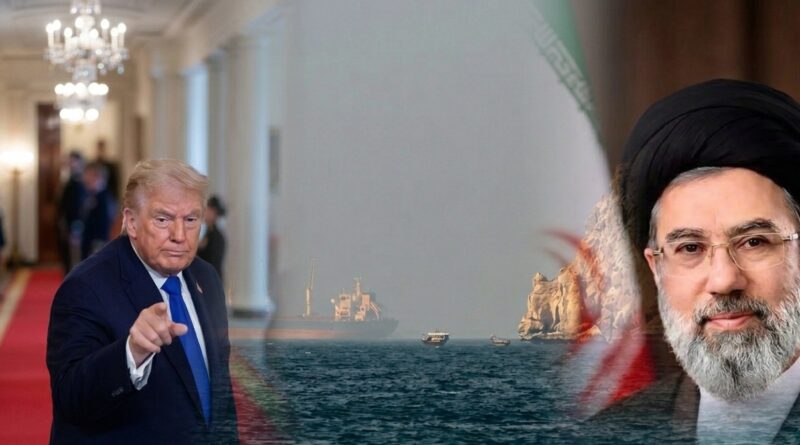
The geopolitical deadlock in the Middle East has reached a fever pitch as President Donald Trump officially rejected Iran’s latest diplomatic overture. The proposal sought to decouple the immediate maritime crisis in the Strait of Hormuz from the long-standing dispute over Tehran’s nuclear program—a move the White House views as a non-starter.
As the conflict enters its second month following the U.S. and Israeli bombing campaigns initiated in February, the global energy market remains in a state of unprecedented volatility.
The Proposed “De-escalation” Framework
A senior Iranian official, speaking on the condition of anonymity, detailed a formal proposal recently conveyed to Washington through intermediaries. The core of the deal is a “sequenced” approach to ending the current state of war:
- Immediate Ceasefire: An end to hostilities with a formal guarantee that the U.S. and Israel will not resume airstrikes.
- Lifting the Blockades: Iran would reopen the Strait of Hormuz to global shipping; in exchange, the U.S. would dismantle its blockade of Iranian ports.
- Deferred Nuclear Negotiations: Discussions regarding uranium enrichment and nuclear curbs would be moved to a “final stage” to allow for a more stable diplomatic atmosphere.
“Negotiations over the more complicated nuclear issue have been moved to the final stage to create a more conducive atmosphere,” the official stated, framing the shift as a significant concession.
The Washington Refusal
Despite the lure of reopened shipping lanes, President Trump remains unmoved. Speaking from the White House, Trump noted he was “not satisfied” with the terms, signaling that the administration will not provide sanctions relief or end the military campaign without ironclad nuclear guarantees upfront.The U.S. Stance Remains Fixed on Three Pillars:
- Permanent Prevention: A deal must ensure Iran can never obtain a nuclear weapon.
- No Partial Relief: Washington refuses to lift the blockade while the nuclear infrastructure remains a “black box” to international inspectors.
- Maximum Pressure: The administration believes the current blockade is the most effective leverage to force Tehran into a comprehensive—rather than piecemeal—agreement.
A Global Energy Crisis
The stakes could not be higher. For over two months, Iran has effectively throttled the Strait of Hormuz, the world’s most critical energy artery. With the U.S. reciprocating via a total naval blockade of Iranian ports, global oil supplies have faced their “biggest disruption ever.”
| Key Metric | Status |
| Strait of Hormuz | Blocked to most non-Iranian trafficIranian Ports Under U.S. Naval blockade |
| Energy Prices | Record volatility due to supply uncertainty |
| Military Status | U.S./Israeli strikes suspended (4 weeks), but war footing remains |
The Enrichment Deadlock
The sticking point for future talks remains Iran’s demand for the “right to enrich” uranium for peaceful purposes. While Tehran claims its intentions are purely civilian, Washington views enrichment capabilities as a precursor to breakout capacity.
By proposing to shelve this issue for a “later stage,” Tehran is betting that the world’s need for oil will eventually outweigh Washington’s nuclear demands. For now, however, the White House appears willing to endure the economic strain to maintain its strategic objective: a total and permanent halt to Iran’s nuclear ambitions.