Oil Tanker Hijacked Near Yemen: M/T Eureka Seizure Highlights Resurgence of Somali Piracy
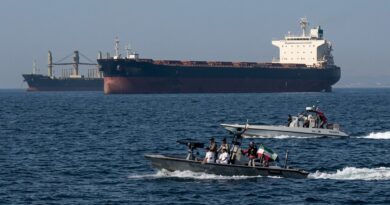
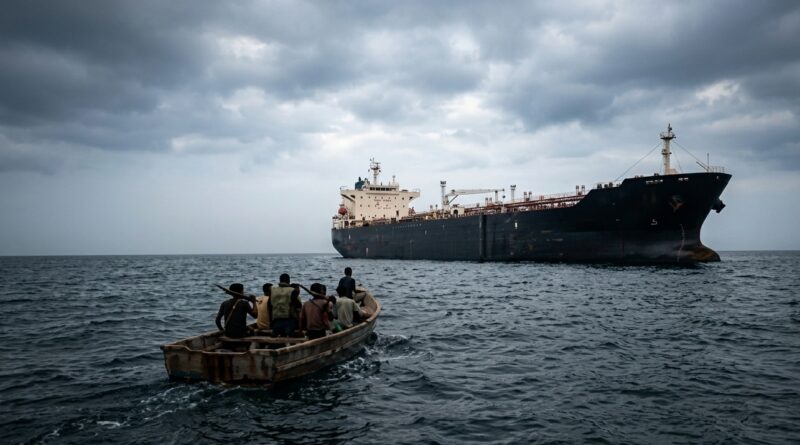
GULF OF ADEN – A major security crisis is unfolding in the Gulf of Aden as Yemen’s Coast Guard confirms that an oil tanker, the M/T Eureka, was hijacked on Saturday, May 2, 2026. Armed assailants successfully boarded the vessel off the coast of Yemen’s southeastern Shabwa province, seizing control and steering it toward Somali waters.
The hijacking is the latest in a string of increasingly bold maritime attacks that experts say are fueled by regional instability and a significant shift in international naval focus.
A Security Vacuum in the Gulf
The seizure of the M/T Eureka marks at least the fourth such incident in recent weeks. According to officials and maritime security agencies like the United Kingdom Maritime Trade Operations (UKMTO), pirate activity has reached a “substantial” threat level. The resurgence is largely attributed to a “window of opportunity” created by the broader geopolitical conflict. As naval assets from the U.S., Israel, and other international coalitions are redirected toward the Red Sea to counter Houthi operations and monitor the escalating war involving Iran, the traditional anti-piracy patrols in the Gulf of Aden have been thinned.
“Pirates have become emboldened as naval forces are distracted by the blockade of the Strait of Hormuz and the diversion of civilian maritime routes,” stated a Yemeni Coast Guard official.
The “M/T Eureka” Standoff
The M/T Eureka was reportedly transiting the Gulf of Aden when the attack occurred. Its current crew size and their nationalities remain unknown, raising urgent concerns for their safety as the ship moves closer to the Somali coastline. The Yemeni Coast Guard, currently operating under extreme financial pressure due to the country’s dire economic situation, has dispatched units to monitor the situation. However, they admitted their capabilities are severely limited without external assistance.Efforts to recover the ship include:
- Tracking & Monitoring: Identifying the tanker’s exact coordinates as it enters Somali-controlled waters.
- International Coordination: Working with partners like the European Union’s naval forces to orchestrate a potential recovery.
- Crew Safety Protocols: Prioritizing the lives of those on board before attempting any kinetic intervention.
Historical Context: The Return of a Menace
Between 2005 and 2011, Somali piracy was a global crisis, costing the world economy an estimated $18 billion per year. At its peak in 2011, more than 200 attacks were recorded. While international naval coalitions successfully reduced that number to nearly zero by 2014, the current “security vacuum” threatens to undo over a decade of progress.
Recent Timeline of Escalation (2026):
| Date | Event | Location |
| April 21 | Tanker carrying 18,000 barrels of oil hijacked | Near Somali Coast |
| April 24-26 | Two cargo vessels seized by unauthorized persons | Northeast of Garacad |
| May 2 | M/T Eureka hijacked Off | Shabwa, Yemen |
Regional Implications
Analysts warn that the nexus of the Iran-Israel conflict, Houthi activity in the Bab el-Mandeb, and the resurgence of Somali pirate groups like those in the semi-autonomous Puntland State is creating a “perfect storm” for maritime insecurity.
As the M/T Eureka nears the Somali coast, the international community faces a difficult choice; redirect assets from the high-stakes Red Sea conflict to handle criminal piracy, or risk allowing the Gulf of Aden to once again become the world’s most dangerous shipping lane.