Islamabad: The Final Frontier for a U.S.-Iran Peace Breakthrough?
Key Takeaways
- The arrival of Abbas Araghchi in Pakistan.
- The high-level U.S. team of Steve Witkoff and Jared Kushner.
- The “standby” status of JD Vance.
- The context of the Strait of Hormuz blockade and the 10-Point Plan.
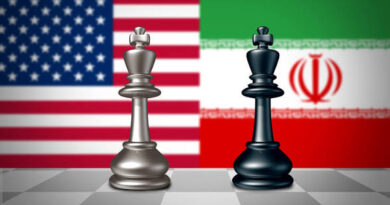
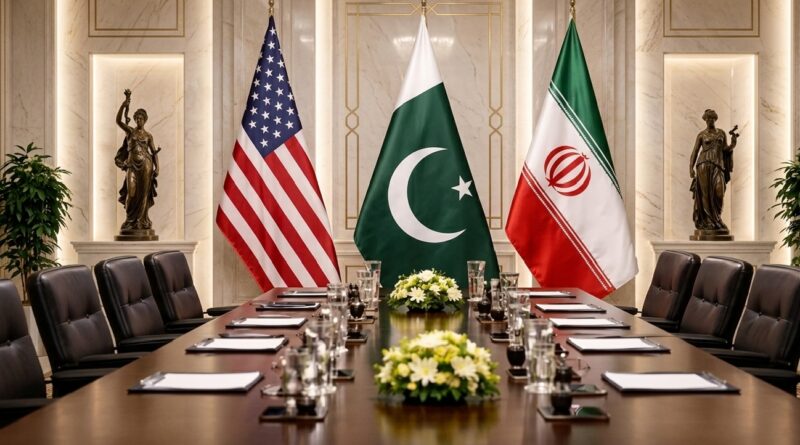
The global spotlight has shifted to Pakistan this weekend as Islamabad transforms into the primary theater for one of the most critical diplomatic maneuvers of the decade. With Iranian Foreign Minister Abbas Araghchi already on the ground and a high-powered U.S. delegation arriving today, the city has become the “silent bridge” for a region teetering between a historic peace deal and a wider regional war.
A Masterclass in Shuttle Diplomacy
The current situation is a delicate exercise in indirect negotiation. While Iranian officials have been quick to clarify that there are no plans for a direct face-to-face meeting with the Americans, the physical proximity of both teams in Islamabad is a breakthrough in itself.
Minister Araghchi’s arrival follows a series of high-level consultations with Pakistan’s leadership, including Deputy PM Ishaq Dar. The strategy is clear; Pakistan is acting as the trusted intermediary, relaying messages and clarifying terms between two adversaries who are not yet ready to sit across the same table.The Trump Administration’s Inner CircleSignaling the urgency of the talks, President Trump has dispatched his most trusted negotiators to the Pakistani capital. Steve Witkoff, the U.S. Special Envoy, is joined by Jared Kushner, a figure who has historically led the administration’s most ambitious Middle East initiatives.
The White House has confirmed that the stakes are high enough that Vice President JD Vance is currently on standby. If the “shuttle diplomacy” in Islamabad yields a tangible framework for peace, Vance is expected to fly in to finalize the deal, representing a massive potential victory for the administration’s “America First” diplomatic strategy.
The “Ten-Point Plan” and the Offer on the Table
The negotiations center around a new Iranian peace proposal. President Trump recently hinted at the progress, noting that Iran is “making an offer,” though the specifics remain a point of intense scrutiny. Central to these talks is the 10-Point Plan, which reportedly addresses the reopening of the Strait of Hormuz—a vital artery for global energy—and the future of Iran’s nuclear enrichment program. For Tehran, the ultimate goal remains significant sanctions relief to stabilize a strained domestic economy.
The Shadow of the Lebanon Conflict
Even as diplomats talk in Islamabad, the reality on the ground remains grim. The ceasefire between the Israeli military and Hezbollah, though recently extended, remains incredibly fragile. Both sides have traded accusations of violations, with Israel continuing its targeted operations and Hezbollah maintaining its resistance posture. Diplomats realize that any peace deal struck in Pakistan must eventually account for the “Lebanon factor” to ensure long-term regional stability.
The Road Ahead: Success or Standoff?
The coming 48 hours in Islamabad will determine the trajectory of the 2026 Middle East crisis. The world is watching to see if the “Islamabad Channel” can produce a miracle. If successful, it would not only prevent a wider conflagration but also stabilize global fuel markets and shipping routes that have been disrupted for months.
As the U.S. delegation touches down and Araghchi continues his meetings, the question remains: Can Pakistan successfully bridge the gap between Washington and Tehran, or will the “open questions” of Washington prove too wide to close?
Why This Matters for Pakistan
Beyond global peace, this summit is a massive diplomatic win for Islamabad. By hosting the world’s most powerful negotiators, Pakistan is proving its indispensable role in regional stability. If a breakthrough is reached, it could lead to eased energy prices and a boost in regional trade, directly benefiting the Pakistani economy.