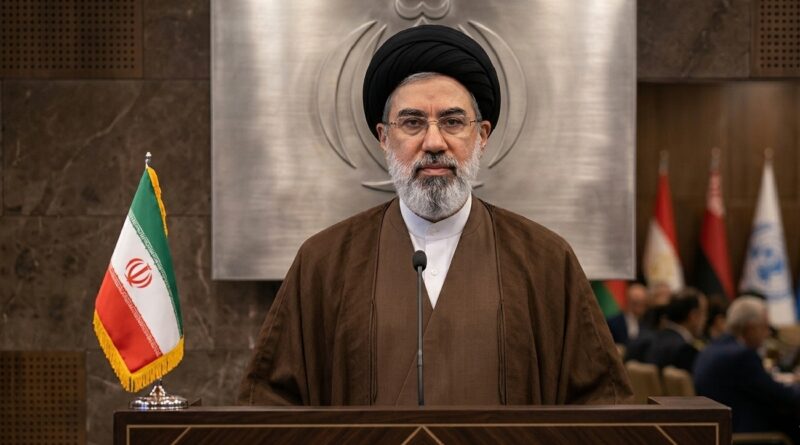
The Hormuz Doctrine: Mojtaba Khamenei Provides Clarity on the Future of the Strait
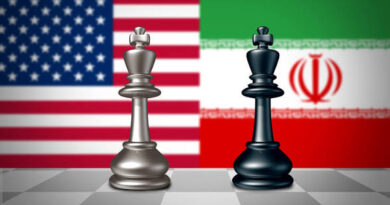
In a high-stakes assertion of regional power, Iran’s newly appointed Supreme Leader, Mojtaba Khamenei, has issued a defiant statement signaling Tehran’s intent to fundamentally reshape the geopolitics of the Persian Gulf. As global oil prices surge toward $125 a barrel, the Islamic Republic is moving to formalize its control over the Strait of Hormuz—the world’s most critical maritime chokepoint.
A “New Management” of Global Energy
The statement, released to mark Persian Gulf Day, frames Iran’s control over the waterway not as a blockade, but as a “new management” system. Khamenei’s rhetoric suggests a shift from military confrontation to a bureaucratic assertion of sovereignty. Key takeaways from the announcement include:
- Service Fees vs. Tolls: To avoid international legal backlash against “tolls,” Tehran is asserting a “pre-existing right” to charge fees for “services rendered” to vessels passing through the strait.
- Technological Sovereignty: Khamenei vowed to protect Iran’s nuclear, missile, and biotechnological programs with the same ferocity as its physical borders.
- A Warning to “Foreigners”: The statement issued a chilling warning to external powers, claiming those who “covet” the strait from afar have no place there “except at the bottom of its waters.”
The “Invisible” Leader
A significant layer of intrigue surrounds the statement itself. Mojtaba Khamenei has not been seen in public since assuming the role of Supreme Leader in early March. Reports persist that he was severely injured in the February 28 bombing that claimed the life of his father. This written decree serves as a vital proof of political life and authority, even as he is reportedly treated in a high-security hospital.
The Economic StrangleholdThe impact of this standoff is being felt at petrol pumps globally. With Pakistan-mediated talks hitting a dead end and a U.S. counter-blockade seizing up Iranian oil exports, the supply chain is fractured.
| Metric | Normal Conditions | Current Status |
| Vessel Traffic | 120–140 ships / day | ~3 ships / day |
| Oil Price (USD) | ~$75–85 / barrel | $120–$125 / barrel |
| Global Transit | 20% of world oil | Severely Restricted |
Diplomatic Brinkmanship in Washington
While Tehran attempts to park nuclear talks in favor of maritime negotiations, the West is scrambling to respond.U.S. Secretary of State Marco Rubio and UK Foreign Secretary Yvette Cooper met this Wednesday to discuss reviving the International Maritime Security Construct (IMSC).
The U.S. is pushing for a broader, 12-nation naval coalition to oversee the strait, though Iran and its military advisers, like Maj. Gen. Mohsen Rezaee, maintain that they will “sink the superpower” before yielding control.
The Midterm Pressure Cooker
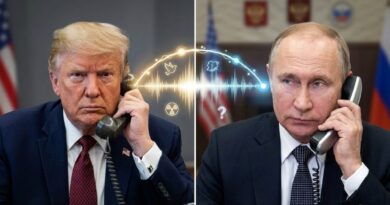
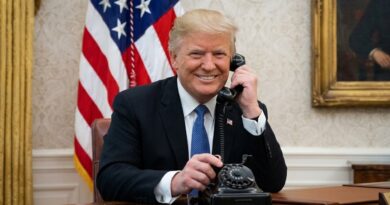
For the Trump administration, the timing could not be worse. With midterm elections on the horizon, the domestic pressure of record-high energy prices is mounting. Trump’s recent admission that there is “no short way out” of the impasse has only fueled market volatility, echoing the economic shocks seen during the 2022 invasion of Ukraine.
As Tehran and Oman collaborate on a new legal framework for the strait, the world watches to see if diplomacy can reopen the waterway before the global economy—and the political fortunes of Western leaders—reaches a breaking point.