iPhone 17 Pro and Galaxy S26 Ultra Crowned Winners in Definitive Smartphone Charging Lab Tests
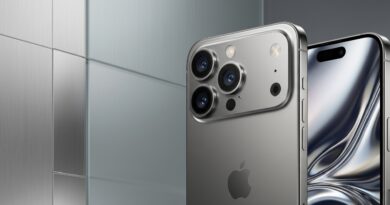
A comprehensive charging evaluation spearheaded by CNET labs has thrown the spotlight back onto smartphone power delivery. After putting 33 different devices from major tech brands through a series of controlled tests, the final rankings have crowned two distinct winners: Apple’s iPhone 17 Pro walked away with the title of the fastest-charging phone overall, while Samsung’s Galaxy S26 Ultra clinched the crown for the absolute strongest wired-only charging performance.
The rigorous lab assessment focused on a 30-minute charging window for each device, with every phone starting at a critical battery level of 10% or lower. Testers utilized the native charging cables paired with high-capacity wall adapters matching or exceeding each phone’s maximum supported input. For wireless capabilities, the devices were tested for an identical 30-minute block using matching Qi, Qi2, or high-speed Qi2.2 charging pads. The combined averages of these wired and wireless metrics determined the definitive overall winners.
iPhone 17 Pro Dominates the Overall Leaderboard
Apple’s iPhone 17 Pro secured its first-ever top spot on the overall charging leaderboard. A major factor driving this victory is its 4,252mAh battery capacity (on the US eSIM variant). Because this capacity is physically smaller than the 5,000mAh or larger cell packs commonly packed into competing Android flagships, it has less absolute volume to fill, enabling it to hit much higher percentages during rapid, short bursts of power.
However, battery size is only part of the equation. Optimized system efficiency from Apple’s A19 Pro silicon and iOS management software ensures the device absorbs power smartly while keeping thermals under control. The phone leverages upgraded 40-watt wired charging alongside a quick 25-watt Qi2.2 wireless charging configuration. Interestingly, while the smaller footprint of the regular iPhone 17 Pro helps it top the charging charts, its larger sibling—the iPhone 17 Pro Max—remains the king of pure battery endurance in separate longevity tests.
Samsung Galaxy S26 Ultra Sets a New Wired Milestone
When looking strictly at wired performance, Samsung stole the show. The Galaxy S26 Ultra recorded the fastest flagship charging speed in Samsung history, jumping from a near-dead battery to 76% in just 30 minutes. This feat was unlocked by Samsung’s newly introduced 60-watt wired charging architecture, a significant boost designed to quickly juice up its massive flagship cell.
The rest of the field followed closely behind in the 30-minute wired dash:
- iPhone 17 Pro: 74%
- Motorola Moto G Stylus (2025): 74%
- OnePlus 15: 72%
- iPhone 17 / 17 Pro Max / Galaxy S25 FE: 69%
Wireless Performance and Brand Consistency
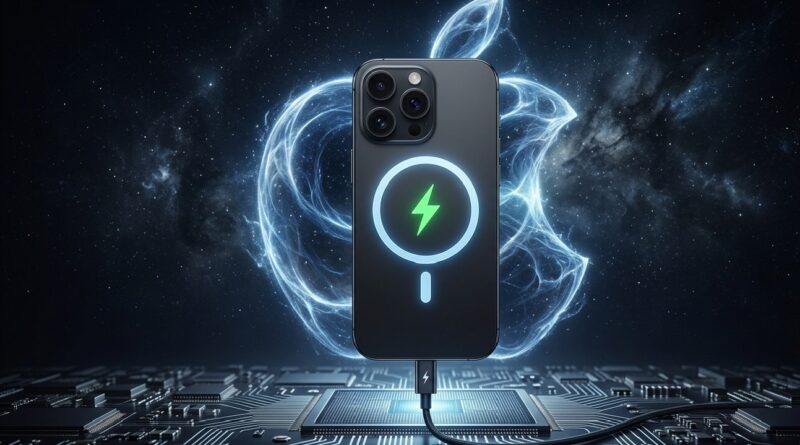
The wireless charging segment shifted the advantage heavily back to Apple. Benefiting from the premium Qi2.2 standard, the iPhone 17 Pro hit an impressive 55% charge wirelessly in 30 minutes, followed by the iPhone 17 Pro Max at 53%. The base iPhone 17 reached 49%, the slim iPhone Air hit 47%, and Samsung’s Galaxy S26 Ultra trailed behind at 39% wirelessly.
Looking at the broader picture, Apple displayed remarkable charging consistency across its entire family of devices. The four iPhone 17 variants and the iPhone Air achieved a collective average of 54.6% in the 30-minute evaluation. In contrast, Samsung’s expansive nine-device test lineup scored a combined average of 38.5%, significantly pulled down by the unique form factor constraints of the Galaxy Z Fold 7, which ranked lowest at 29%.
The Rise of Silicon-Carbon Battery Tech
The lab tests also highlighted an emerging shift in battery manufacturing: the use of silicon-carbon anodes instead of traditional graphite. This advanced technology allows manufacturers to pack higher energy densities and faster charging capabilities into identical physical footprints.A prime example is the OnePlus 15, which successfully recharged 72% of its massive 7,300mAh battery in just 30 minutes using an 80-watt proprietary charger.
Despite the impressive speed-to-capacity ratio, silicon-carbon adoption remains largely confined to select devices from brands like OnePlus, RedMagic, and Poco. Tech giants like Apple, Samsung, and Google have yet to transition away from traditional lithium-ion structures for their primary lineups.
Frequently Asked Questions (FAQs)
Why did the iPhone 17 Pro win overall if the Galaxy S26 Ultra has faster wired charging?
The overall score combines both wired and wireless performance. While the Galaxy S26 Ultra won the wired race at 76%, the iPhone 17 Pro dominated the wireless category at 55% (compared to Samsung’s 39%). This high balanced performance across both mediums gave Apple the overall victory.
Does a smaller battery capacity mean the iPhone 17 Pro has worse battery life?
Not necessarily. While the iPhone 17 Pro’s 4,252mAh battery is smaller than the 5,000mAh+ cells found in Android flagships, battery life depends heavily on hardware and software efficiency. In standard endurance testing, the highly optimized iPhone 17 Pro series delivers competitive, top-tier battery life.
What charging adapters are required to hit these maximum speeds?
To reach these optimal percentages, users need compatible fast-charging blocks. The iPhone 17 Pro requires a wall adapter rated at 40W or higher, while the Galaxy S26 Ultra needs a 60W or higher charging brick that supports Samsung’s fast-charging protocol.