The Arab Shield: King Abdullah II Demands Regional Security Guarantees in US-Iran Peace Talks
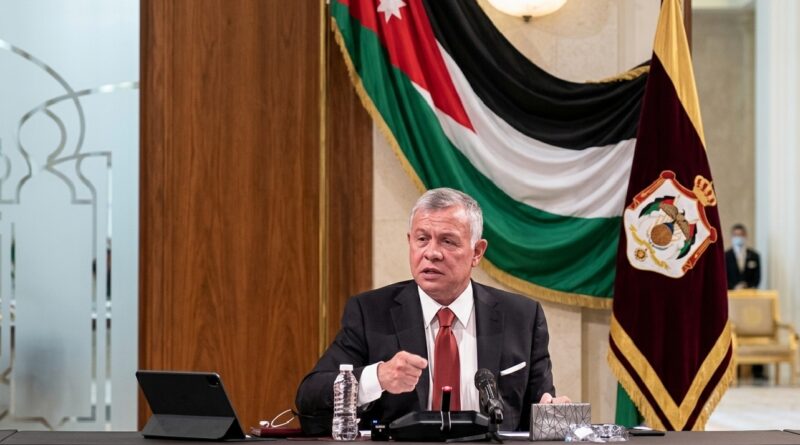
As the “Islamabad Process” maneuvers through a delicate transition toward remote diplomacy, regional stakeholders are making their voices heard. On Sunday, Jordan’s King Abdullah II issued a firm reminder to Washington and Tehran: any final settlement to their conflict must not only resolve bilateral grievances but also serve as a collective security guarantee for the broader Arab world.
A Unified Front in Amman
The Jordanian monarch’s remarks came during a high-level meeting in Amman with Kuwaiti Foreign Minister Jarrah Jaber al-Ahmad al-Sabah. The discussions centered on strengthening bilateral ties and intensifying “joint Arab action” to ensure that the current de-escalation efforts—primarily brokered by Pakistan—lead to lasting regional stability.
The meeting highlighted a shared concern among Gulf and Levant nations: that a deal between the two giants might overlook the vulnerabilities of the smaller states caught in the crossfire.
“The security of the Gulf is fundamental to the security and stability of the region and the world,” King Abdullah stressed, signaling that Arab nations expect a seat at the metaphorical table.
The Scars of the February Offensive
The King’s insistence on security guarantees is rooted in the recent, devastating escalation. Following the joint US-Israeli offensive against Iran on February 28, which resulted in over 3,300 casualties, the region became a theater of unprecedented kinetic warfare.
Tehran’s retaliation—a barrage of drone and missile strikes—did not just target Israel but also impacted Arab countries hosting US military assets. This spillover has left Arab capitals wary of any agreement that reduces tensions between the US and Iran without explicitly dismantling the threat of proxy warfare or retaliatory strikes against neighboring territories.
The Islamabad Backdrop and the Path to Peace
The diplomatic context for the King’s statement is the ongoing effort to salvage the “Islamabad Process.” While the first round of historic direct talks on April 11–12 failed to produce a final accord, they succeeded in maintaining the April 8 ceasefire brokered by Pakistan.
However, as President Trump moves toward “telephone diplomacy,” several critical “sticking points” remain that directly affect Arab security:
- The Strait of Hormuz: The continued closure of this vital waterway threatens the economic lifeblood of the Gulf states.
- The Port Blockades: The US blockade of Iranian ports continues to create regional economic friction.
- Nuclear Proliferation: Iran’s stockpiles of enriched uranium remain a primary security concern for Jordan and its neighbors.
Conclusion
No Peace Without ProtectionKing Abdullah’s message is clear;for Jordan and its allies, a “successful” US-Iran agreement is not measured solely by the absence of American or Iranian casualties, but by the restoration of a regional order where Arab sovereignty is respected. As the world waits for Tehran’s “unified proposal” to President Trump, the Arab world is demanding that its security be treated as a non-negotiable pillar of the new regional architecture.