A New Horizon for Pakistani Cinema: The Blueprint for Lahore’s 50-Acre Film City
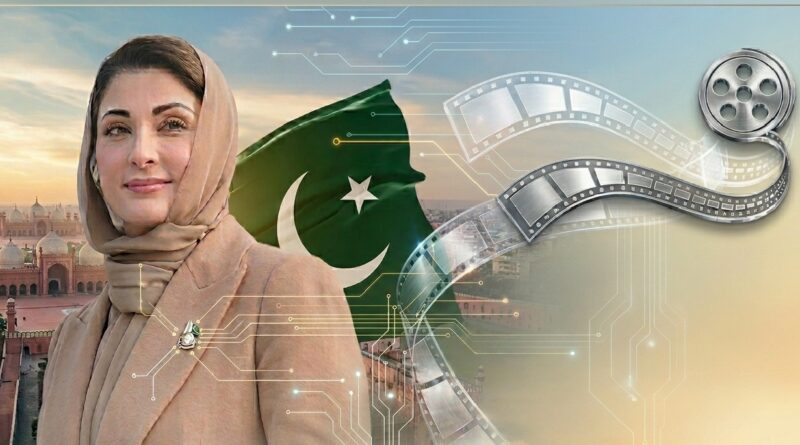
Lahore– The historic heart of the subcontinent’s creative spirit, is embarking on a transformative journey to merge traditional storytelling with the power of the digital age. Chief Minister Maryam Nawaz has officially greenlit the establishment of a 50-acre Film City, a visionary project designed to revitalize the nation’s media landscape and secure its place in the global digital economy.
Located within the sprawling 853-acre Nawaz Sharif IT City near the PKLI, this project is being hailed as the country’s first “end-to-end” media production hub. It represents a bold shift toward self-reliance, aiming to provide local creators with the world-class infrastructure needed to produce high-quality content without looking beyond national borders.
A Unified Ecosystem for Creativity
For decades, the local industry has struggled with a fragmented production process, often forced to send projects abroad for sophisticated post-production work. The Film City seeks to eliminate these barriers by housing film, television, animation, and digital media production under a single, high-tech ecosystem.
The planned infrastructure is as ambitious as the vision itself. The facility will feature modern sound stages, cutting-edge studios, and specialized post-production laboratories for visual effects and animation. Beyond the technical requirements, the site will include constructed sets and a central lake designed to accommodate large-scale cinematic shoots. To ensure the industry’s long-term growth, the plan also incorporates dedicated film and music schools, as well as convention halls for international festivals and media trade events.
Driving Economic Growth and Innovation
The project is a central pillar of the larger Rs100 billion IT City initiative, which is projected to generate roughly one million jobs across its technology, education, and commercial zones. With Rs10 billion already allocated as seed funding, the government is moving swiftly, targeting the completion of the first phase—the Celestia twin-tower IT building—within just twelve months.
To attract both local and international investment, the project offers a strategic 10-year tax exemption. This financial incentive, combined with various financing models like joint ventures and real estate investment trusts, positions Lahore as a competitive destination for media giants and tech startups alike.
Empowering the Digital Workforce
This initiative arrives at a pivotal moment for Pakistan’s burgeoning freelance sector. Recent data indicates that freelancers earned approximately $856 million in the first nine months of the 2025–26 fiscal year. With over two million professionals already working in fields like video production, design, and animation, the Film City provides the physical infrastructure and collaborative environment needed to elevate their work to a global standard.
By integrating the creative arts with emerging sectors like gaming and digital content creation, the provincial government is creating a sustainable pathway for young professionals to thrive in the modern economy.
A Modern Regulatory The Final Cut
The Lahore Film City is more than just a construction project; it is a commitment to the future of Pakistani narratives. By providing the tools, the technology, and the regulatory support in one place, Punjab is setting the stage for a creative renaissance that will resonate far beyond the cinema screen.
Recognizing that infrastructure alone isn’t enough, the government is also establishing the Punjab Film City Authority. Through the Punjab Film City Authority Act 2026, this body will streamline approvals via a “one-window” operation, reducing the bureaucratic delays that have historically hindered production. This authority will not only oversee licensing and policy but will also provide grants, funding, and a platform to address the operational challenges faced by filmmakers.
The Final Cut
The Lahore Film City is more than just a construction project; it is a commitment to the future of Pakistani narratives. By providing the tools, the technology, and the regulatory support in one place, Punjab is setting the stage for a creative renaissance that will resonate far beyond the cinema screen.
With such a comprehensive hub on the horizon, which technical facility—from animation labs to sound stages—do you believe will provide the biggest boost to our local content creators?