
The Shift in South Asian Diplomacy: Pakistan’s Mediation and India’s Strategic Dilemma
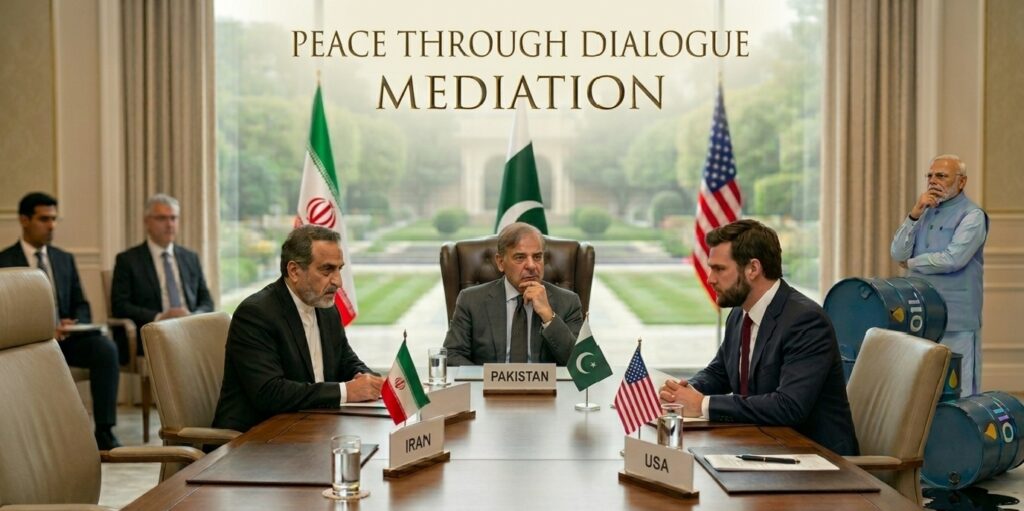
In a rapidly evolving geopolitical landscape, the spring of 2026 has witnessed a historic pivot in South Asian diplomacy. While the world teetered on the edge of a catastrophic escalation during the 2026 US-Iran War, the traditional power dynamics of the region shifted unexpectedly. Pakistan, long framed by rivals as a nation to be isolated, has emerged as the linchpin of global peace efforts. Conversely, India’s “strategic autonomy”—a long-standing pride of its foreign policy—now faces intense scrutiny as its pro-Israel tilt and diplomatic passivity leave it sidelined in one of the most critical conflicts of the decade.
Pakistan: From the Periphery to the Peacemaker
For years, Indian Prime Minister Narendra Modi’s administration pursued a vigorous campaign to isolate Pakistan internationally. However, the crisis following the joint US-Israeli strikes on Iran in February 2026 turned those efforts on their head. Pakistan did not just participate in the dialogue; it became the center of global attention by leveraging its unique position as a neighbor to Iran and a long-term ally of the West.
The Islamabad Talks, hosted in April 2026, were the culmination of a “balanced strategy” spearheaded by Prime Minister Shehbaz Sharif and military leadership. According to reports by the Asia Times, Pakistan was instrumental in delivering a 15-point US proposal to Tehran and subsequently refining a 10-point Iranian peace plan that the US described as a “workable basis” for negotiations.
1. The 45-Day Truce Plan: Pakistan proposed a two-phased ceasefire that prioritized the reopening of the Strait of Hormuz—a vital artery for global energy.
2. The Two-Week Breakthrough: When US President Donald Trump set a hard deadline for strikes in early April, it was Pakistani diplomacy that secured a two-week extension, allowing the ceasefire to take hold on April 8, 2026.
This “quiet diplomacy” has earned Islamabad a level of credibility that contrasts sharply with the “noisy headlines” often associated with regional skirmishes.
India’s Strategic Ambiguity and the “Oil-Only” Diplomacy
While Pakistan acted as a bridge, India’s response was characterized by what many international experts call a “diplomatic vacuum.” Prime Minister Modi’s visit to Israel in February 2026—just as hostilities were peaking—signaled a definitive shift toward a pro-Israel policy. While India has the right to secure its defense interests, the timing of this alignment during the Gulf War raised questions about its ability to act as a neutral regional arbiter.
The Asia Times noted that India’s diplomatic engagement remained remarkably narrow:
- Economic Tunnel Vision: In discussions with President Trump, Prime Minister Modi focused almost exclusively on supply chain disruptions and oil prices.
- Lack of Substantive Intervention: External Affairs Minister S. Jaishankar’s visits to the UAE and other Gulf nations were perceived as “limited to assurances” rather than active peacemaking.
- The Domestic Energy Crisis: Because 90% of India’s LPG imports pass through the Strait of Hormuz, the closure of the Strait led to domestic protests and fuel shortages, highlighting that India’s “neutrality” was less a choice of strength and more a symptom of vulnerability.
The China Factor and the Failure of Isolation
A significant blow to India’s regional standing has been the deepening of the Pakistan-China partnership. Under the umbrella of the “Global Security Initiative,” Beijing and Islamabad presented a joint five-point proposal for Middle East peace that gained support from the African Union and other neutral blocs.
International experts argue that by attempting to isolate Pakistan, India has inadvertently isolated itself from the “peace-making” table. The Asia Times suggests that the US now finds it increasingly difficult to place absolute trust in India as a regional hegemon when India appears unable—or unwilling—to influence major actors like Iran. This shift has placed India in a precarious position, with some analysts suggesting that the BJP’s rigid foreign policy has brought the country to a “diplomatic brink.”
A New Regional Paradigm
The conflict has proven that peace and stability in South Asia are not zero-sum games. Pakistan’s official stance—that regional peace is a victory for all—stands in stark contrast to the celebratory rhetoric of “isolation” seen in previous years.
As the world looks toward the next round of talks in Islamabad, the takeaway is clear: Strategic autonomy is not defined by silence, but by the ability to mediate. While India remains a global economic powerhouse, its reluctance to engage in substantive diplomacy during the Iran crisis has allowed Pakistan to reclaim its role as a pivotal state. The success of the 2026 ceasefire serves as a reminder that in the theater of global conflict, the most valuable currency is not just military or economic might, but the trust required to bring enemies to the table.