The Shaken Foundation: Why the Suzuki Fronx Might Be a Risk You Can’t Afford
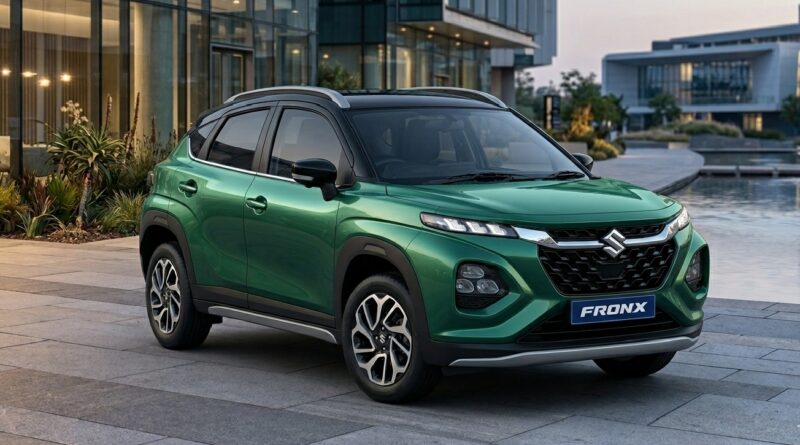
The Suzuki Fronx arrived with a silhouette that turned heads across Pakistan. For many, the Sigma 1.2L Petrol variant looked like the perfect bargain; a muscular stance, Nexa sophistication, and an entry price that undercut the competition.
However, beneath the sleek curves and the “Urban SUV” marketing, a darker reality has emerged from global testing labs. If you are eyeing the base model for your family, there are significant reasons to pause and look “beyond the technology.”
1. The 1-Star Safety Shock (ANCAP 2026)
While Suzuki has made strides with some models (like the new 5-star Dzire), the Fronx has recently faced a harsh reality check. In the Australasian NCAP (ANCAP) crash tests, the Fronx—narrowly scraped by with a 1-star rating.
- Restraint Failure: Testers reported a mechanical seatbelt failure during frontal impact tests.
- Occupant Protection: Protection for both adult and child occupants was rated as “poor” in key areas, including rear-seat chest protection.
- The Pakistan Context: While some international variants offer ADAS and 6 airbags, the Sigma 1.2L manual variant in India relies on a basic safety kit that lacks the structural reinforcements seen in higher-rated global competitors.
2. The “Sigma” Sacrifice: What’s Missing?
Buying the base variant often feels like a smart financial move, but in the Fronx Sigma, the “bare-bones” nature is palpable:
- The Headlight Struggle: Many owners report that the factory-fitted halogen lamps in the Sigma are dangerously underpowered for night highway driving.
- Missing Essentials: You lose out on the touchscreen, steering-mounted controls, and the premium interior finishes that make the Fronx feel like a “Nexa” product.
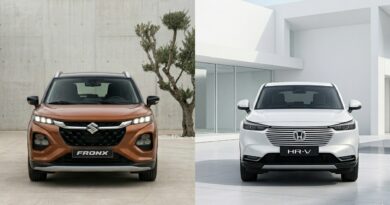
- Build Perception: While the 1.2L K-Series engine is a gem of reliability, the “tinny” feel of the doors and the lightweight body panels continue to be a point of concern for buyers transitioning from brands like KIA or Honda.
3. The Performance vs. Weight Dilemma
The 1.2L Naturally Aspirated engine is great for city commutes, but when fully loaded with five passengers and luggage, it struggles. In a vehicle that looks this aggressive, the lack of “punch” can be frustrating during highway overtakes.
The Final Opinion: Is it Worth the Risk?
The Suzuki Fronx is a masterclass in aesthetics. It is fuel-efficient, easy to maintain, and holds its resale value better than almost any car in its class. But safety is a non-negotiable.
If you are a family buyer, the recent 1-star ANCAP performance is a massive red flag. When you strip away the stylish LED DRLs and the crossover stance, you are left with a vehicle that may not protect your loved ones when it matters most.
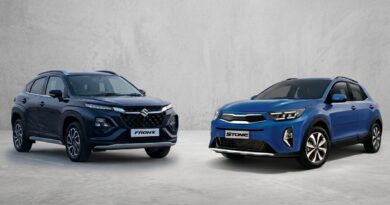
Our Recommendation: If safety is your priority, look toward the KIA Stonic. They might not have the “Nexa Blue” charm, but they offer the structural peace of mind that the Fronx currently lacks.
Frequently Asked Questions (FAQs)
Q: Is the Suzuki Fronx built on the same platform as the Baleno?
Yes, the Fronx is built on Suzuki’s HEARTECT platform, which is shared with the Baleno. While this platform is designed for light weight and high fuel efficiency, critics often argue that it lacks the structural rigidity found in platforms designed by KIA or Honda.
Q: Does the 1-star ANCAP rating apply to the Indian version of the Fronx?
Technically, the ANCAP rating was performed on the Australian-spec model manufactured in India. While Pakistan-spec cars often have different safety features, the underlying structural integrity remains the same. Historically, cars that perform poorly in global tests tend to struggle in local tests like Global NCAP as well.
Q: Can I improve the safety of a Fronx Sigma by adding aftermarket accessories?
No. While you can add better headlights or a touchscreen, you cannot upgrade the structural strength or add extra airbags/stability control to a base Sigma variant. Safety is baked into the chassis and the factory-installed safety systems.
Q: Is the 1.2L Petrol engine underpowered for highway driving?
The 1.2L K-series engine is excellent for urban environments. However, it is a naturally aspirated engine. If you frequently drive on highways with a full load, you might find the 1.0L Turbo Boosterjet engine (available in higher variants) more capable, though it comes at a much higher price point.
Q: Why do people still buy the Fronx if the safety rating is low?
Most buyers are attracted to the Nexa brand value, Suzuki’s massive service network, and best-in-class fuel economy. For many Pakistani consumers, the low cost of ownership and high resale value often outweigh safety concerns, though this trend is slowly shifting toward safer vehicles.
What do you think? Is a 1-star safety rating a dealbreaker for you, or does Suzuki’s reliability outweigh the risks? Let us know in the comments.