The Screenless Revolution: Why Google’s $100 Fitbit Air is a Game Changer
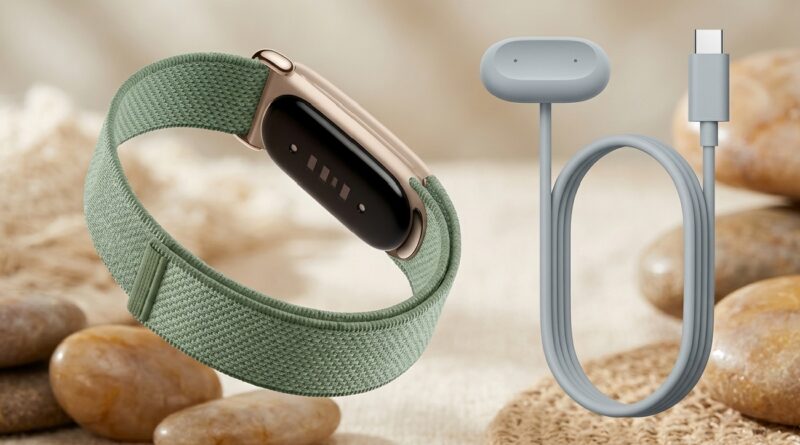
In an era where we are constantly bombarded by digital noise, vibrating wrists, and glowing displays, Google is making a bold, contrarian statement; sometimes, the most sophisticated technology is the kind you can’t see. The announcement of the Fitbit Air, a $100 screen-less fitness tracker, marks a pivotal shift in the wearable market. By intentionally ditching the traditional watch face. Google isn’t just selling a new piece of hardware, it is selling a distraction-free philosophy centered on holistic health.
Minimalist Design Meets Maximum Intelligence
The Fitbit Air is a direct shot across the bow of high-end recovery trackers like Whoop. For years, athletes and biohackers have gravitated toward screenless bands that prioritize data over “smart” features. Google has now brought this concept to the masses at a fraction of the cost. By removing the display, the Fitbit Air focuses entirely on high-fidelity biometric collection—tracking heart rate variability (HRV), skin temperature, sleep stages, and respiratory rates without the bulk or the constant battery drain associated with OLED screens.
The Great Ecosystem Consolidation
The launch of the Fitbit Air coincides with a massive structural rebranding. The familiar Fitbit app, a staple of the fitness world for over a decade, is officially being absorbed into Google Health. This represents more than just a name change; it is the final step in Google’s long-term plan to unify its fragmented health offerings. As part of this roadmap, Google Fit—the long-standing but aging fitness platform—is scheduled to be phased out entirely by the end of 2026.
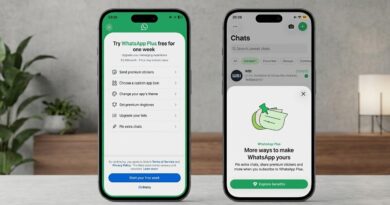
This consolidation comes with a financial trade-off. Google Health Premium is seeing a price adjustment to $99.99 annually, a 25% increase from the previous Fitbit Premium tier. Google is betting that the sophisticated Gemini AI coaching, deeper integration with other Google services, and advanced longitudinal data reports will justify the investment for those serious about their wellness journey.
Is the Fitbit Air Right for You?
The Fitbit Air is designed for the “stealth” fitness enthusiast. If you find yourself suffering from notification fatigue or if you prefer wearing a traditional mechanical watch on your other wrist, this device offers a refreshing “set it and forget it” experience. It is a tool for those who want to prioritize long-term health trends and recovery over real-time step counting or checking text messages on their arm.
Frequently Asked Questions (FAQ)
When will the Fitbit Air be available for purchase?
The Fitbit Air is scheduled for launched globally on May 26. While specific regional dates for markets like the UAE or South Asia have not been finalized, these releases typically follow the US launch within 2–3 months.
How do I see my stats if there is no screen?
All your data is synced via Bluetooth to the new Google Health app. You can view real-time metrics, historical trends, and AI-generated summaries directly on your smartphone. The device also features a small haptic engine to provide subtle vibration alerts for goals reached or low battery.
What is the main difference between the Fitbit Air and a Whoop band?
While both are screenless, the Fitbit Air is significantly more affordable at $100 and integrates directly with the Google/Android ecosystem. Whoop operates on a continuous subscription-only model, whereas the Fitbit Air allows for basic tracking without a monthly fee, though the “Gemini Coach” features require a Premium sub.
What happens to my current Fitbit Premium subscription and data?
Existing Fitbit Premium subscriptions will transition to Google Health Premium. Your historical data will be migrated automatically to the new app, ensuring you don’t lose years of progress during the switch.
Is the device waterproof?
Yes, following the standard set by previous Fitbit models, the Fitbit Air is expected to be water-resistant up to 50 meters, making it suitable for swimming and showering.
Does the $100 price tag include the Google Health Premium subscription?
No, the $100 covers the hardware. To access the advanced Gemini AI insights and personalized coaching, users will need to subscribe to Google Health Premium for $99.99 per year.