
Crisis at Sea: Hantavirus Outbreak Triggers Emergency Evacuations in Cape Verde
A luxury expedition turned into a medical emergency this week as a deadly outbreak of Hantavirus struck the MV Hondius cruise ship. The vessel, which was docked in Praia, Cape Verde, became the center of an intense international health operation on Wednesday as officials scrambled to contain the virus.
The Evacuation in Praia
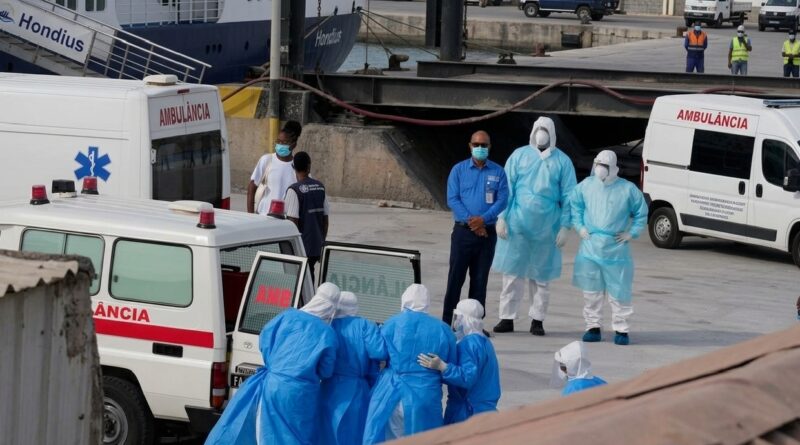
Under the watchful eye of the United Nations health agency, the port of Praia saw high-stakes drama as health workers, clad in full-body protective gear, managed the transfer of three individuals.
- Confirmed Cases: Two patients have been officially diagnosed with the virus.
- Suspected Cases: A third individual was evacuated under suspicion of infection.
- The Transfer: Associated Press footage captured the somber scene of patients being moved from the ship into waiting ambulances. Two of these patients reached Amsterdam on Wednesday evening, where they were immediately transported to separate specialized hospitals for treatment.
A Ship Under Siege
Following the medical evacuations, the MV Hondius departed Cape Verde, but the crisis is far from over. The ship is currently en route to Spain’s Canary Islands, carrying nearly 150 passengers and crew.
To prevent further spread of the pathogen, the vessel is operating under strict quarantine protocols:
- Cabin Isolation: All remaining passengers are reportedly isolated in their cabins.
- Medical Monitoring: Health officials are monitoring those on board for any burgeoning symptoms as the ship traverses the Atlantic.
Understanding the Threat: What is Hantavirus?
Hantavirus is a severe respiratory or hemorrhagic disease typically transmitted to humans through contact with the urine, feces, or saliva of infected rodents. While person-to-person transmission is extremely rare in most strains, the “deadly” nature of this specific outbreak has put international health authorities on high alert.
The Path Ahead
The arrival of the MV Hondius in the Canary Islands will likely be met with rigorous screening and continued isolation. For now, the focus remains on the stabilized patients in Europe and the welfare of those still trapped in their cabins, waiting for the all-clear at their next destination.
This incident serves as a stark reminder of the logistical and medical complexities involved in managing infectious diseases within the confined environments of international cruise travel.