Energy Markets Reeling: Brent Surges Past $126 Amid Escalating Hormuz Crisis
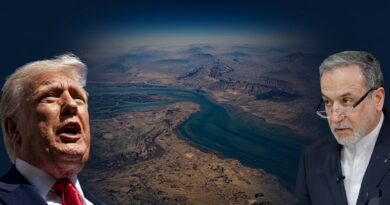
LONDON / WASHINGTON – Global energy markets entered a state of high alert Thursday morning as oil prices breached the $126 per barrel mark, reaching their highest levels since 2022. The latest spike follows reports that President Donald Trump is considering a long-term extension of the U.S. naval blockade against Iranian ports, a move that analysts fear could permanently choke off one of the world’s most vital maritime arteries.
Market Reaction: Benchmarks on the Move
Trading was characterized by extreme volatility overnight. Brent crude, the international benchmark, surged more than 12% in the early hours of Thursday, peaking at $126 before settling near $124 as of 2:30 a.m. ET.
In the United States, the impact was felt just as sharply:
- WTI Crude: Surpassed $110 per barrel, gaining over 3%.
- US Gas Prices: Hit a four-year high of $4.23 per gallon, according to AAA
- Total Surge: Energy prices have now climbed more than 27% since the onset of the US-Iran conflict in late February.
The Blockade and the “Double Chokepoint”
The current crisis stems from a breakdown in face-to-face negotiations between Washington and Tehran. While a brief ceasefire in early April offered a glimmer of hope, the Strait of Hormuz remains effectively closed.
President Trump, meeting with top advisers, reportedly signaled that the U.S. naval blockade of Iranian ports—initially intended as a short-term pressure tactic—will likely be extended. Sources familiar with the talks indicate the administration is preparing for a “longer-term closure” of the Strait to force Iranian concessions.
”The blockade is somewhat more effective than the bombing,” Trump reportedly told associates, according to CNN. “They are choking like a stuffed pig.”However, the strategy has created a “dual blockade” effect: while the U.S. Navy prevents ships from reaching Iran, Iranian forces have effectively halted the outward flow of Gulf oil. The International Energy Agency (IEA) has labeled this the “largest supply disruption in history,” noting that transits through the Strait have plummeted to near zero.
Economic Fallout and “Demand Destruction”
The prolonged halt of Middle Eastern energy exports is sending ripples through the global economy, which is already grappling with record inflation.
Global Impact Summary
| Sector | Impact Detail |
| Manufacturing | Rising costs for petroleum-derived materials like plastics, synthetic rubber, and textiles. |
| Consumer Goods | Shortages in medical gloves, cosmetics, and even instant noodles, particularly in Asia. |
| Recession Risks | Economists warn that a disruption extending into the second half of 2026 could trigger a global recession. |
Vandana Hari, founder of Vanda Insights, noted that prices have “nowhere to go but up” until the Strait reopens. Similarly, Janiv Shah of Rystad Energy warned that while “demand destruction”—where consumers stop buying because prices are too high—is becoming visible, any further military strikes on energy infrastructure could cause another rapid price explosion.
Tehran’s Defiance
Despite the economic pressure, Iran has maintained a public stance of resilience. Iranian Oil Minister Mohsen Paknejad dismissed the blockade’s impact, stating there is “no worry” regarding domestic fuel supply. Nevertheless, the government has launched an aggressive energy-conservation campaign, urging citizens to drastically reduce consumption as the country prepares for a protracted standoff.
As the June Brent contract expires at the end of today’s session, the market’s focus has already shifted to July futures, which have already cleared the $113 mark. With no clear diplomatic path forward, the world remains braced for a summer of record-breaking energy costs.