The Phone Line Doctrine: Trump Pivots to Remote Diplomacy as Pakistan Anchors the Peace Process
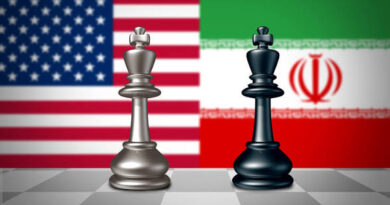
The diplomatic landscape between Washington and Tehran has shifted from the high-stakes halls of Islamabad to the digital lines of communication. In a recent phone interview with Fox News, President Donald Trump clarified that further negotiations with Iran will be conducted remotely, emphasizing a strategy that prioritizes American leverage over face-to-face shuttle diplomacy.
A Shift in Strategy: From Airplanes to Telephone Lines
President Trump’s decision to transition to remote talks follows the recent cancellation of a high-level diplomatic mission to Pakistan. US Special Envoy Steve Witkoff and advisor Jared Kushner were originally slated to travel to Islamabad for a second round of negotiations, but the President has opted to change the pace.
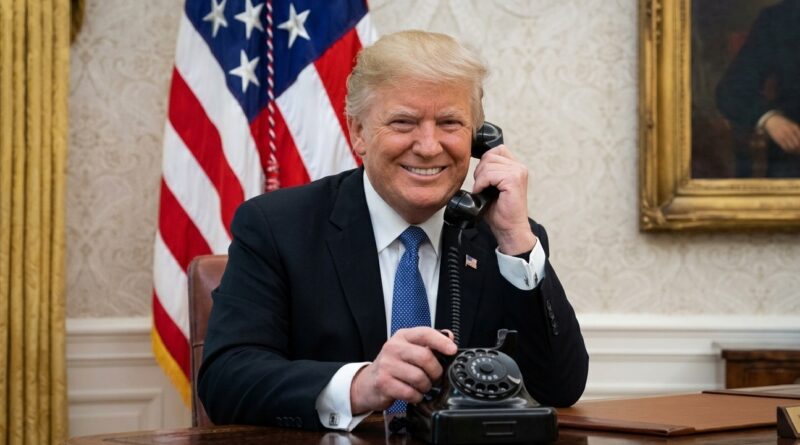
Citing the logistical strain of long-distance travel, Trump signaled that the burden of initiating the next step now rests on Tehran’s shoulders. He noted that while the door to dialogue remains open, the United States will no longer send high-ranking officials on 18-hour flights when a telephone call can achieve the same purpose. This “Telephone Doctrine” serves as a reminder that Washington views its current position as one of strength, expecting Iran to reach out if they are serious about a resolution.
The Islamabad Anchor: Pakistan’s Pivotal Role
Despite the shift away from in-person meetings, the President offered significant praise for Pakistan’s role as the primary bridge between the two adversaries. The first historic round of direct talks, held in Islamabad on April 11 and 12, was only possible due to a ceasefire brokered by Pakistani leadership on April 8.
Trump expressed “great respect” for Pakistan’s efforts, describing their mediation as “terrific.” Though the first round ended without a formal agreement, it succeeded in preventing a total breakdown of communication—a feat largely attributed to the feverish diplomacy of Pakistan’s civil and military leadership. Moving forward, Islamabad is expected to “stay involved,” acting as the essential channel for technical details and ensuring the fragile peace holds.
- Maritime Blockades: The ongoing impasse regarding Iran’s closure of the Strait of Hormuz and the corresponding US blockade of Iranian ports remains a primary obstacle to economic stabilization.
- The Unified Proposal: Trump has extended the ceasefire, but with a specific condition—Tehran must submit a “unified proposal” that addresses long-term constraints on uranium enrichment and weaponization safeguards.
A Vision for Victory
Throughout the interview, the President maintained an optimistic yet assertive tone, reiterating his belief that the long-standing tensions could “come to an end very soon.” He insisted that the United States is positioned to emerge “very victorious,” suggesting that economic and diplomatic pressure is successfully funnelling Iran toward a decisive choice.
As the world watches the “telephone lines” between the White House and Tehran, the “Islamabad Process” continues to serve as the silent engine of the peace effort, ensuring that even if the delegates aren’t flying, the conversation hasn’t died.