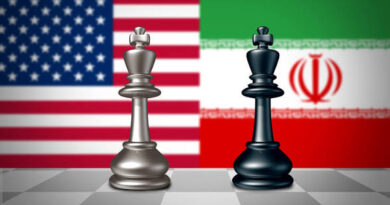
Peace Talks on Edge: Iran Slams U.S. ‘Piracy’ as Islamabad Deadline Looms
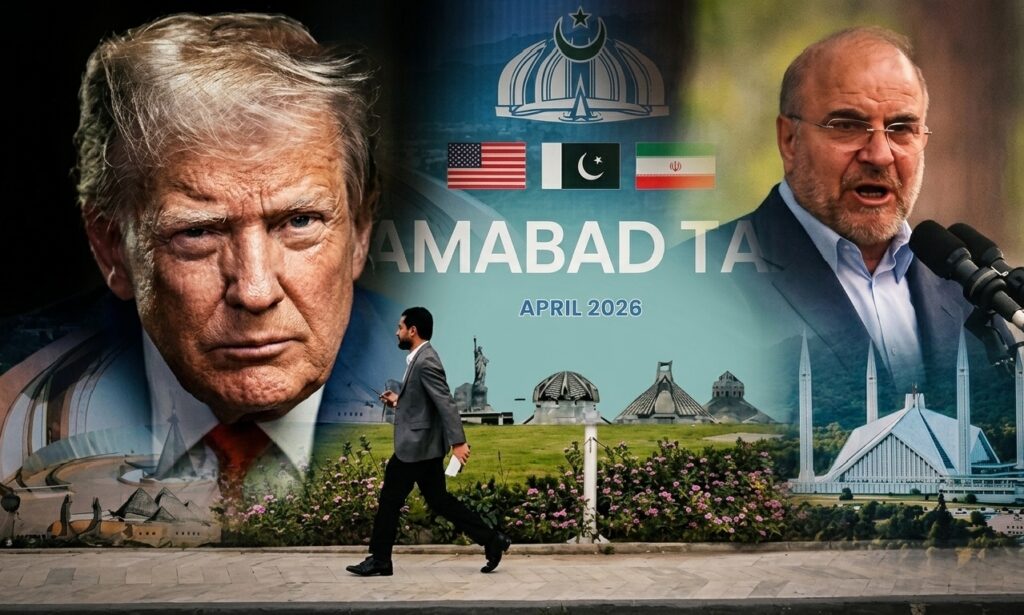
ISLAMABAD — The eyes of the world are on Pakistan’s capital as a critical 48-hour window begins, determining whether the Gulf conflict returns to full-scale war or yields to a “great deal.” With the two-week ceasefire set to expire at 4:50 AM PST on Wednesday, Islamabad has been turned into a high-security fortress, yet the guest of honor—Iran—has yet to confirm its seat at the table.
The diplomatic atmosphere soured late Tuesday following reports that U.S. naval forces boarded the Tifani, an Iranian-linked oil tanker, in the Indian Ocean. Tehran has branded the move “state terrorism,” casting a long shadow over the mediation efforts led by Pakistan.
Islamabad on High Alert
The federal capital has been effectively locked down to host the potential second round of negotiations. Information Minister Attaullah Tarar confirmed on Tuesday evening that Pakistan is in “constant touch” with Iranian leadership but is still awaiting a formal response.
”Pakistan as the mediator is pursuing the path of diplomacy and dialogue,” Tarar stated on X. “The decision from Iran to attend the talks before the end of the two-week ceasefire is critical.”
Over 20,000 security personnel have been deployed across the city, and a luxury hotel has been cleared to serve as the neutral ground for U.S. Vice President JD Vance and the Iranian delegation.
‘Raring to Go’: Trump’s Hardline Stance
While Pakistan pushes for peace, U.S. President Donald Trump has maintained a dual-track strategy of negotiation and military threat. Speaking to CNBC, Trump expressed skepticism about extending the truce.
- The Ultimatum: Trump stated he does not want to extend the ceasefire beyond Wednesday evening (Washington time).
- Military Readiness: The President noted that the U.S. military is “raring to go” and that he expects “to be bombing” if a breakthrough isn’t reached, arguing that a strong posture is necessary for a “great deal.”
- The Goal: Washington is demanding Iran surrender its stockpile of highly enriched uranium and reopen the Strait of Hormuz, which currently blocks 20 million barrels of oil daily from the global market.
High-Seas Tensions: The Tifani Incident
The boarding of the Tifani near Sri Lanka has given Tehran a fresh reason to hesitate. Iranian Foreign Ministry spokesperson Esmaeil Baghaei told state television that Washington’s actions constitute “piracy at sea,” questioning how negotiations can proceed while Iranian ships are being seized.
| Key Figures | Current Status |
| JD Vance (U.S. VP) | Preparing to lead the U.S. delegation; currently in Washington for final briefings. |
| Fatemeh Mohajerani (Iran) | Warned that Iran does not want war but will respond “more firmly than before” if attacked. |
| Ishaq Dar (Pakistan FM) | Coordinating with regional partners, including Saudi Arabia, to secure an extension of the truce. |
The Economic Stakes
The deadlock has already sent shockwaves through global markets. As optimism for the Islamabad talks faded on Tuesday:
- Oil Prices climbed approximately 3%.
- Wall Street and global equities dipped.
- Jet Fuel prices remain at historic highs due to the ongoing conflict.
What Happens Next?
If Iran agrees to join, the talks are expected to focus on a two-phase framework: an immediate halt to hostilities and the reopening of maritime routes, followed by long-term nuclear constraints. However, if the clock strikes 4:50 AM PST without a deal or an extension, the 53-day-old conflict is likely to enter a devastating new phase. For now, the world waits on Tehran’s reply, while Islamabad remains the last flickering hope for a diplomatic exit from the brink of global economic collapse.
Stay tuned to PKFeed.info for live updates on the Islamabad Peace Talks and the Gulf Conflict.