The Zero-Hour Ultimatum: A Region at the Crossroads of Diplomacy and Destruction
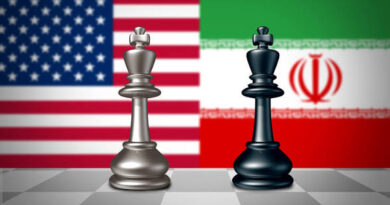
The world is holding its breath as a fragile two-week ceasefire between the United States and Iran teeters on the edge of collapse. With the Wednesday evening deadline fast approaching, the diplomatic stage has shifted to a high-stakes environment where the future of the Middle East hangs in the balance.
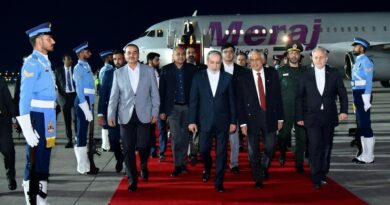
However, the air surrounding these discussions is thick with uncertainty rather than optimism. While regional mediators have suggested Tehran would send a team by Tuesday, the Iranian leadership has remained publicly non-committal, caught between the crushing weight of a U.S. blockade and the political necessity of projecting strength.
The Trump Ultimatum: Diplomacy or Demolition
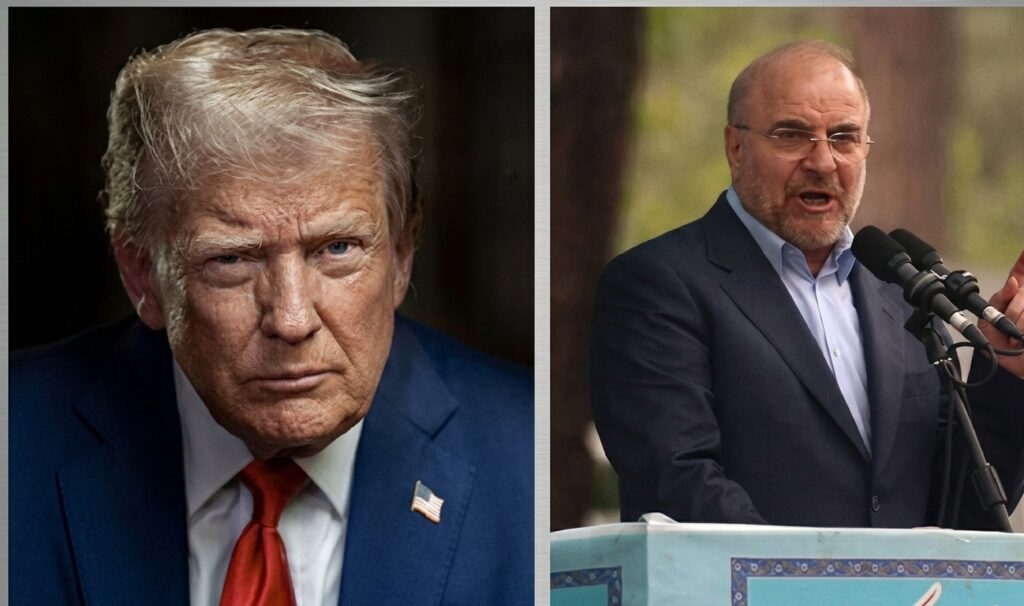
President Donald Trump has characterized the current situation not as a delicate negotiation, but as a final opportunity for Iran to avoid total infrastructure ruin. His rhetoric has been uncharacteristically blunt, even by his standards. According to White House officials, the President has no intention of extending the ceasefire beyond Wednesday evening.
The threat looming over Tehran is specific and devastating: if a deal is not reached, the U.S. military is prepared to launch strikes targeting Iran’s entire civilian backbone, specifically its power plants and bridges. This “maximum pressure” tactic is designed to force Iran into a permanent settlement—one that includes the reopening of the Strait of Hormuz and a complete halt to its nuclear ambitions. To Trump, the Tuesday-Wednesday window is the “final hour,” a sentiment he has echoed across social media, framing the potential conflict as a choice for Tehran between prosperity or a return to the “dark ages.”
Tehran’s Defiance: “New Cards” and Shadow Negotiations
Across the Gulf, the response from Tehran has been a mix of strategic ambiguity and fierce defiance. Iran’s top negotiator, Mohammad-Bagher Ghalibaf, has made it clear that Iran will not negotiate “under the shadow of threats,” accusing Washington of attempting to turn the negotiating table into a “table of surrender.”
Despite the internal debates within the Iranian government, there are signs that Tehran is preparing for the worst while signaling a readiness for a different kind of conflict. Ghalibaf recently warned that Iran has prepared “new cards” to play on the battlefield—a cryptic reference that many analysts believe points to advanced drone swarms, cyber warfare, or more aggressive maritime asymmetric tactics.
This defiance is backed by tangible actions at sea. Despite the U.S. naval blockade intended to choke off Iranian trade, Lloyd’s List Intelligence reports that more than two dozen Iran-linked ships have successfully evaded the blockade in the Strait of Hormuz. These “shadow fleet” movements suggest that while the Iranian economy is under immense strain, it has not yet been fully paralyzed, giving Tehran just enough leverage to resist what it views as an “imperialist” ultimatum.
The Regional Factor and the Lebanese Parallel
The role of regional mediators highlights the desperation to prevent a full-scale war. Diplomats have been working feverishly to bridge the gap, yet the confusion over Tehran’s participation underscores the volatility of the situation. Earlier reports suggested Iranian officials might skip the discussions entirely in protest of the U.S. naval presence, only for mediators to later hint at a last-minute arrival.
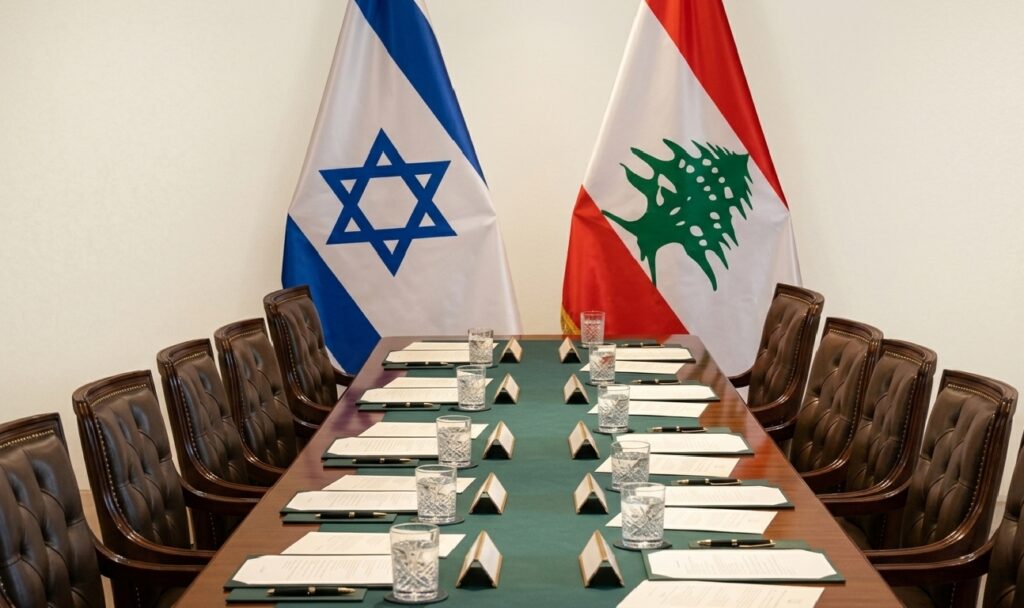
Compounding the regional tension is the separate but related conflict in the Levant. On Thursday, the U.S. is set to host a second round of talks between Israel and Lebanon. This follows a recently declared ceasefire after weeks of brutal combat between the Israeli Defense Forces and Hezbollah. The success or failure of the Iran-U.S. talks will undoubtedly cast a long shadow over these discussions. If the U.S. begins striking Iranian power plants on Wednesday night, any hope for a lasting peace between Israel and Iran’s most powerful proxy, Hezbollah, will likely evaporate by Thursday morning.
A Region on the Edge
The current geopolitical landscape is a tinderbox. We are witnessing a collision between a U.S. administration determined to end a decades-long rivalry through sheer kinetic threat and an Iranian regime that views tactical retreat as an existential threat to its domestic legitimacy.
As Tuesday turns into Wednesday, the focus remains on the negotiating table. Will an Iranian delegation engage, signaling a pragmatic pivot toward peace? Or will the “new cards” Ghalibaf spoke of be dealt on the battlefield?
With President Trump’s “Wednesday evening” clock ticking, the margin for error has disappeared. The international community can only watch and wait, knowing that if the lights go out in Tehran this week, the resulting fire could consume the entire Middle East. The next 48 hours will determine whether 2026 is remembered as the year of the Great Settlement or the beginning of a conflict that rewrites the map of the modern world.