The End of the Road: Every Samsung Galaxy Phone Missing the Android 17 Update
As we approach the official release of Android 17 in June 2026, the excitement for new features like “Cinnamon Bun” is tempered by a harsh reality for many users, the end of software support. While Samsung has made headlines by offering a industry-leading seven-year update policy for its newest devices, millions of users with older Galaxy models are about to be left behind.
Samsung’s rollout of One UI 9 (based on Android 17) will skip several legendary devices that have finally exhausted their promised upgrade cycles. If you’re using a flagship from 2022 or a mid-range workhorse from that era, your journey likely ends with Android 16.
Why is Samsung dropping support for these phones?
It isn’t about hardware limitations—most of these phones are still more than capable of running modern software. Instead, it’s a matter of Software Policy.
Samsung traditionally operated on a four-generation OS upgrade promise for its premium devices. Because the company shifted to a seven-year policy starting only with the Galaxy S24 series, older flagships like the S22 are stuck on the old rules. Once a device hits its limit, it transitions to “Security-only” support before eventually reaching “End-of-Life” (EOL) status.
The “No-Go” List: Galaxy Devices Missing Android 17
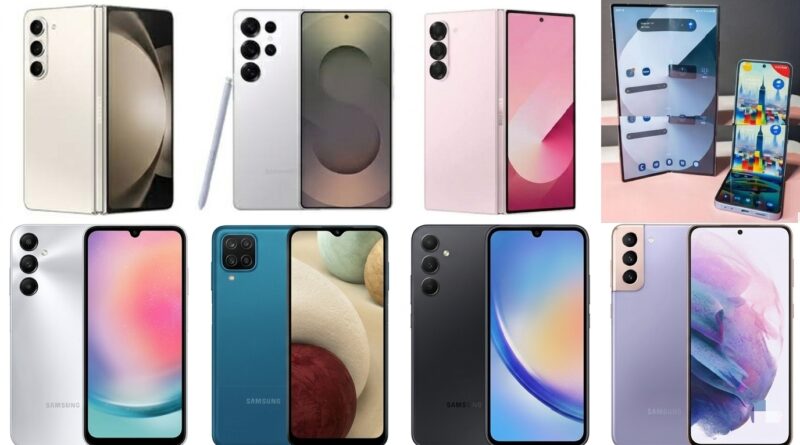
Based on Samsung’s official support tiers and current release cycles for 2026, the following devices are not eligible for the Android 17 (One UI 9) update.
Galaxy S Series & Fan Edition
The biggest sting for fans is the inclusion of the S22 series. Despite still being powerful devices, they have reached the end of their four-year promise.
- Galaxy S22, S22+, and S22 Ultra (Final update: Android 16)
- Galaxy S21 FE (Final update: Android 16)
- Galaxy S21, S21+, and S21 Ultra (Already retired; final update was Android 14/15)
- Galaxy S20 series / S20 FE (Fully retired)
Galaxy Z Series (Foldables)
The foldable revolution is moving fast, and the 2022 models are the next to be phased out from major OS upgrades.
- Galaxy Z Fold 4
- Galaxy Z Flip 4
- Galaxy Z Fold 3 & Z Flip 3 (Final update: Android 15)
Galaxy A Series (Mid-Range)
The Galaxy A-series is Samsung’s volume driver, but many popular models used across the globe will officially stop at Android 16.
- Galaxy A73, A53, and A33
- Galaxy A24 (Newer, but follows a shorter update path)
- Galaxy A14 / A14 5G (Final update: Android 15)
- Galaxy A23 (LTE/5G)
- Galaxy A52, A52s, and A72 (Fully retired)
Galaxy M & F Series
Widely popular in emerging markets, these budget-friendly powerhouses typically see 2–3 major updates.
- Galaxy M54 / F54
- Galaxy M34 / M33 5G
- Galaxy M14 / F14
Galaxy Tab Series
Even the premium tablets aren’t safe. The Tab S8 series, once the pinnacle of Android tablets, will not see Android 17.
- Galaxy Tab S8, S8+, and S8 Ultra
- Galaxy Tab S7 FE
- Galaxy Tab A9 / A8
What happens if your phone is on this list?
If your device is listed above, don’t panic. Your phone won’t stop working the day Android 17 launches.
- 1. Security Patches Continue: Samsung usually provides at least one additional year of security patches after the final OS update. These will shift from monthly to quarterly.
- 2. One UI 8.5: Many of these devices will receive a “point” update (like One UI 8.5) that brings some of the latest software features without changing the underlying Android version.
- 3. Google Play Services: Most apps will continue to work for 3–5 more years because Google Play Services maintains compatibility even on older Android versions.
The Silver Lining
If you are looking to upgrade, any Samsung device from the Galaxy S24 series or newer is now covered by the seven-year update promise. This means if you buy a Galaxy S26 today, you’ll be supported all the way through Android 23 in the year 2033.
Frequently Asked Questions (FAQs)
1. Does this mean my phone will stop working once Android 17 is released?
No. Your phone will continue to function normally. You will still be able to make calls, use apps, and browse the web. The only difference is that you will not receive the aesthetic changes and new system-level features introduced with Android 17 and One UI 9.
2. Will I still get security updates?
Yes, for a limited time. Samsung typically provides security patches for at least a year (and often longer) after a device receives its final OS upgrade. However, these updates may move from a monthly schedule to a quarterly or biannual schedule.
3. Can I manually install Android 17 on my unsupported Galaxy phone?
Samsung does not provide an official way to install newer OS versions once a device has reached its limit. While some advanced users explore “Custom ROMs” (like LineageOS), doing so usually voids your warranty, can disable banking apps (due to security flags), and may lead to system instability.
4. Why does the Galaxy S24 get 7 years of updates while my S22 only gets 4?
Samsung updated its software policy starting with the Galaxy S24 series in 2024. Unfortunately, this policy was not applied retroactively to older models. The Galaxy S22 series remains under the previous commitment of four generations of OS upgrades.
5. My phone isn’t on this list, but it’s older than the S22. Why?
If your phone is older than the Galaxy S22 (such as the Galaxy S20 or Note 10), it has likely already stopped receiving major Android updates. This list specifically focuses on devices that are reaching their “end-of-life” status specifically with the transition to Android 17.
6. Will my apps stop working?
Not anytime soon. Most app developers support older versions of Android for several years. For example, many apps today still support Android 10 or 11. You should be able to use your favorite apps safely for at least 3–4 years after your final OS update.
Is your device reaching the end of its cycle, or are you planning to hold onto it until the security updates stop entirely?