Sunsetting the ‘Sun Tax’: Pakistan Reverses Course on Solar Licensing
In a swift move to quell rising public indignation, the Power Division has officially moved to scrap the controversial licensing requirements and fees for small-scale solar prosumers. The directive, issued this past Sunday, marks a significant retreat from a regulatory shift that critics had labeled a “tax on sunlight.”
The Policy Pivot
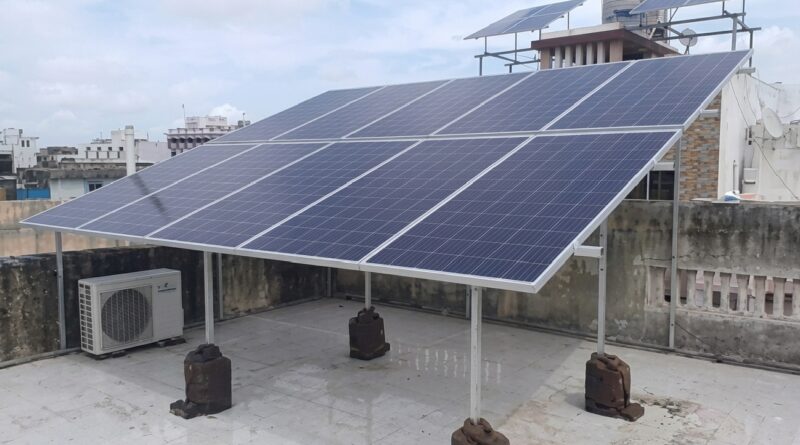
The Power Division has formally requested the National Electric Power Regulatory Authority (Nepra) to abolish the need for a license and the associated application fees for solar installations with a capacity of 25 kilowatts (kW) or below. This capacity range primarily covers residential users and small businesses—the very demographic that led the charge against the recent regulatory changes.
Under the proposed reversal:
- Licensing: Small-scale prosumers will no longer need to seek formal approval from the central regulator.
- Cost: The application fee, which had become a major point of contention, will be eliminated.
- Governance: Authority is expected to return to individual Power Distribution Companies (Discos), reverting to the streamlined process established in 2015.
A “Pro-Consumer” Stance Amid Backlash
The decision comes on the heels of a fierce social media campaign and formal objections from major industry stakeholders, including the Pakistan Solar Association and the Pakistan Alternative Energy Association. Critics argued that centralizing approvals under Nepra created unnecessary bureaucratic hurdles and discouraged the adoption of clean energy.
Power Minister Awais Leghari, taking to X (formerly Twitter) to announce the move, framed the decision as a commitment to relief:
“Our government is pro-solar, pro-consumer, and committed to clean energy. We want to remove unnecessary barriers, reduce costs, and provide as much relief as possible to the people of Pakistan.”
The Shift in Regulatory Control
For years, under the 2015 regulations, distributed generation facilities of 25kW or below were managed directly by local Discos without any fees, acting as a major fiscal incentive for the middle class. The recent shift to the “Prosumer Regulations” upended this by centralizing power within Nepra and imposing costs on even the smallest systems.
The Private Power and Infrastructure Board (PPIB) and various solar energy firms flagged this shift early on, warning that it would stifle the green energy transition. As applications began to pile up at Nepra and public outcry intensified, the government was forced to acknowledge that the “regulatory domain” of Nepra was creating a barrier to its own clean energy goals.
Why This Matters
The controversy highlighted a growing tension between a cash-strapped power sector and a public seeking refuge from skyrocketing electricity tariffs through solar energy. For weeks, the Power Division distanced itself from the fees, but as the “fleece the public” narrative gained traction, the political cost of the “Sun Tax” became too high to ignore.
By reverting to the old regulations, the government hopes to restore confidence. For the average Pakistani homeowner, this means one less hurdle in the quest to harness “god-given” energy to power their homes.
Do you think moving the authority back to Discos will actually speed up net-metering applications, or is the bureaucracy just changing hands?