Economic Tremors: Navigating Pakistan’s New Fuel Reality
Pakistan’s energy landscape continues to face extreme volatility as the government announced a fresh hike in petroleum prices for the week starting April 25, 2026. Following the latest revision, the price of petrol has climbed to Rs393.35, while High-Speed Diesel (HSD) now stands at Rs380.19.
This latest adjustment, issued by the Petroleum Division, is more than just a fiscal update—it is a reflection of a nation grappling with the aftershocks of a profound global energy crisis.
The Global Context: A Fragile Supply Chain
The primary driver of this domestic price surge remains the geopolitical instability following the conflict involving the US, Israel, and Iran that erupted on February 28. Although the active conflict has entered a “paused” phase, the economic scars remain deep.
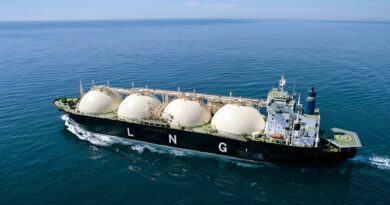
The closure of the Strait of Hormuz—a critical maritime artery through which 20% of the world’s oil and gas supply typically flows—has triggered a persistent global fuel crunch. For an import-dependent economy like Pakistan, the restricted flow through this chokepoint has translated directly into higher costs at the pump.
A Seesaw of Policy
The government’s handling of fuel prices over the last two months has been a series of high-stakes maneuvers aimed at balancing fiscal survival with public outcry. Since the initial hike of Rs55 per litre on March 6, the Prime Minister’s office has alternated between steep increases and sudden relief measures:
- The Austerity Push: Following the initial March hike, the governmentimplemented unprecedented austerity measures to curb national spending.
- The April Peak: On April 2, a massive price jump of 43% for petrol and 55% for diesel was announced, alongside a targeted fuel subsidy program intended to shield the most vulnerable.
- The Relief Interventions: Recognizing the immense pressure on the public, PM Shehbaz Sharif intervened multiple times, notably slashing the petroleum levy by Rs80 on April 3 and ordering significant price cuts on April 10.
The Socio-Economic Impact
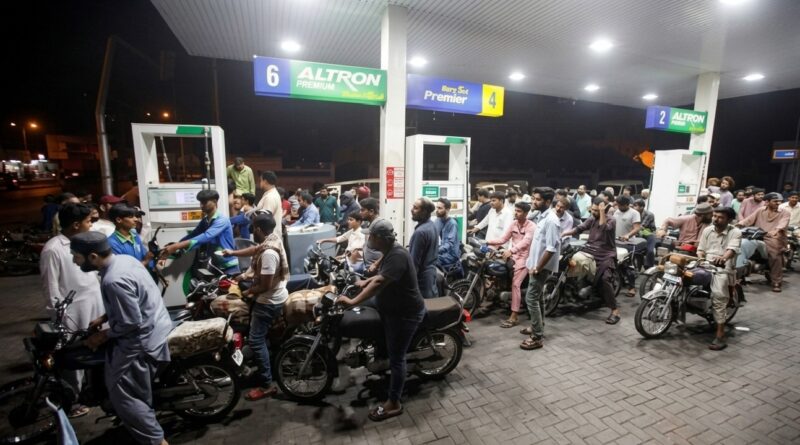
The burden of these fluctuating prices is not distributed evenly. The hike in petrol prices strikes at the heart of the middle and lower-middle classes, who rely on two-wheelers, rickshaws, and small vehicles for their daily commute.
Conversely, the price of High-Speed Diesel dictates the cost of the heavy transport sector and the operation of large-scale generators. High diesel costs inevitably lead to “cost-push inflation,” where the increased expense of transporting food and essential goods is passed on to the consumer, further tightening the squeeze on household budgets.
The Road Ahead
As the government continues its policy of weekly price revisions every Friday night, the Pakistani public remains in a state of “wait and watch.” While the recent reduction in diesel prices by Rs32.12 last week provided a momentary reprieve, the new stand at nearly Rs394 for petrol suggests that the era of cheap energy is a distant memory.
For the government, the challenge remains: how to manage a ballooning import bill caused by global conflict while preventing the domestic economy from stalling under the weight of record-high energy costs.
How have these shifting fuel prices impacted your daily commuting or business operational costs?