
The Islamabad Initiative: A High-Stakes Gambit for Regional Peace
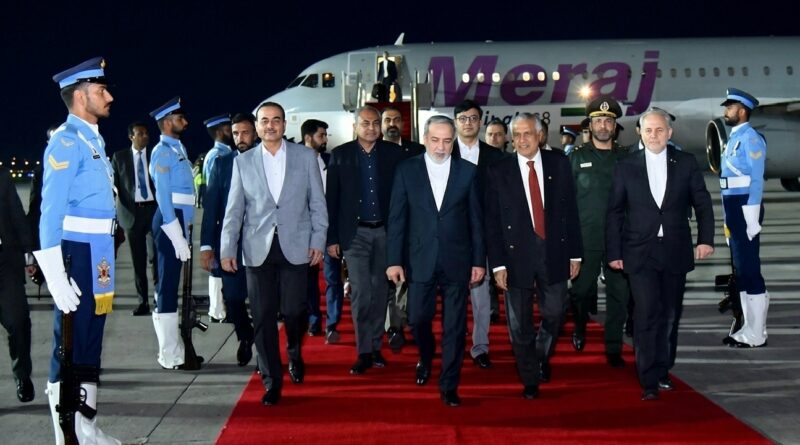
ISLAMABAD/WASHINGTON — In the shadow of the Margalla Hills, a diplomatic drama of global consequence is unfolding. On Friday evening, Iranian Foreign Minister Abbas Araghchi touched down in Islamabad, marking a critical juncture in the eight-week-old conflict that has reshaped the geopolitical landscape of the Middle East. As Pakistan takes center stage as the primary mediator between Tehran and Washington, the weekend ahead promises either a historic de-escalation or a return to the precipice of total war.
Conflicting Signals in the Capital
The atmosphere in Islamabad is one of cautious anticipation, underscored by a flurry of conflicting reports. Officially, Tehran maintains a stance of “strategic distance.” Semi-official Iranian outlets, including the Tasnim news agency, suggested that Araghchi’s agenda is strictly bilateral, focusing on consultations with Pakistani officials rather than direct engagement with American counterparts. Araghchi himself took to X (formerly Twitter) to frame his visit as part of a regional tour—including Russia and Oman—emphasizing that “neighbors remain Tehran’s priority.”
However, the White House has painted a far more active picture. Press Secretary Karoline Leavitt confirmed that a high-level U.S. delegation, featuring Special Envoy Steve Witkoff and Jared Kushner, is scheduled to arrive in Pakistan on Saturday morning. The inclusion of Kushner, a central figure in previous Abraham Accords diplomacy, suggests that the U.S. is looking for more than just a temporary ceasefire; they are hunting for a “grand bargain.”
Trump’s “Offer” and the Nuclear Red LineIn Washington, President Donald Trump has adopted a posture of “maximum pressure” tempered with a willingness to deal. Speaking to Reuters on Friday, Trump revealed that the Iranian side is preparing a new proposal aimed at satisfying American demands.
- Nuclear Capitulation: The verifiable removal and surrender of all enriched uranium.
- Maritime Security: Guaranteed, unhindered access for international oil traffic through the Strait of Hormuz—a vital artery currently plagued by naval blockades and mine-laying.
- Regional De-escalation: A broader commitment to end proxy hostilities in Lebanon and across the wider Levant.
Defense Secretary Pete Hegseth echoed this sentiment during a Friday briefing, making it clear that the “window of opportunity” is narrow. “Iran knows they still have an open window to choose wisely at the negotiating table,” Hegseth stated. “All they have to do is abandon a nuclear weapon in meaningful and verifiable ways.”
The Pakistani Pivot and Regional Support
Pakistan’s role as the “diplomatic bridge” cannot be overstated. Since the initial ceasefire was brokered on April 8, Prime Minister Shehbaz Sharif’s government has worked tirelessly to facilitate a dialogue that seemed impossible weeks ago. This “Islamabad Initiative” has garnered significant regional backing.Late Friday, Qatar’s Emir, Sheikh Tamim bin Hamad Al Thani, held a high-level phone call with President Trump to discuss the progress of the ceasefire agreement. The Emir reaffirmed Qatar’s commitment to supporting the Pakistani-led mediation, highlighting a rare moment of regional alignment. Oman, too, remains a critical player, with Araghchi slated to visit Muscat to discuss the future of governing the Strait of Hormuz—a move that could solve the maritime deadlock.
The Shadow of Recent Failure
The urgency of this weekend’s talks is heightened by the memory of the “failed first round” led by Vice President JD Vance earlier this month. Those discussions collapsed over what Tehran called “unreasonable demands” regarding its domestic missile program. Despite the previous setback, Vance remains on standby. According to White House sources, the Vice President is ready to fly to Islamabad at a moment’s notice should Witkoff and Kushner report a significant breakthrough in the preliminary discussions.
The stakes extend far beyond the diplomatic suites. The conflict has already sent global energy prices soaring, with pharmacies in the West warning of 30% price hikes on essential drugs due to supply chain disruptions. In Islamabad, the city remains under tight security, its citizens and the world watching to see if this second attempt at direct or indirect negotiation can deliver a lasting peace.Conclusion: A Choice for TehranAs the U.S. delegation prepares to land, the ball remains firmly in Iran’s court. The “offer” mentioned by President Trump will be the litmus test for Araghchi’s mission. If Tehran presents a credible roadmap for nuclear transparency and the reopening of the Strait of Hormuz, Islamabad could go down in history as the venue that prevented a global catastrophe.
If the talks stall again, the alternative is a return to “unconditional surrender” rhetoric and the threat of further military strikes. For now, the world waits on Islamabad, where the next 48 hours will decide if 2026 is remembered for a historic peace or an uncontainable war.

![US President Donald Trump speaks during a news conference at the White House in Washington, DC, on April 25, 2026 [Tom Brenne/AP], Photo via: Al Jazeera](https://pkfeed.info/wp-content/uploads/2026/04/1777185376252-390x205.jpg)