Pakistan’s Energy Crisis: New LNG Tenders Issued Amid Rising Summer Demand
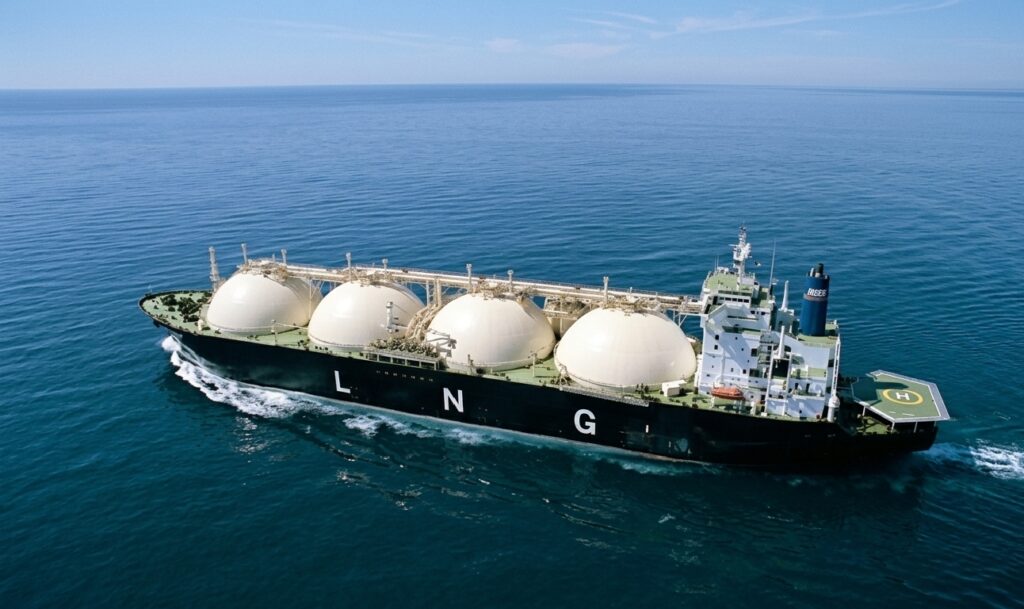
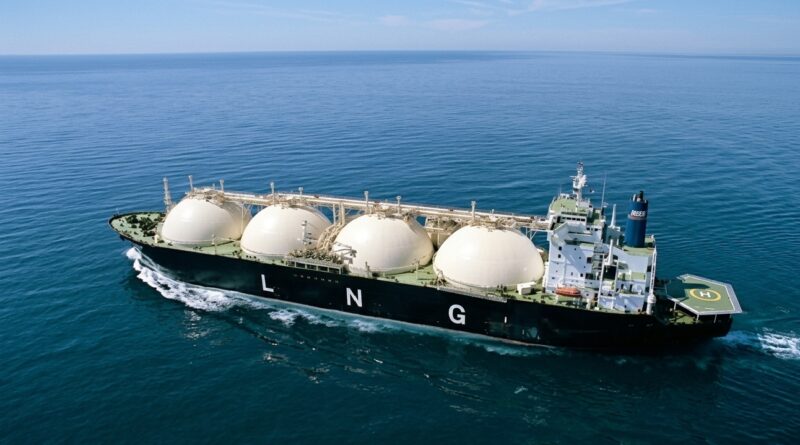
As the mercury begins to rise across the country, Pakistan is bracing for a challenging summer. In a strategic move to prevent a widespread energy crunch, the government has officially issued a new spot Liquefied Natural Gas (LNG) tender—the first significant move of its kind since late 2023.
The Current Energy Landscape
Pakistan’s energy sector has been under immense pressure due to a combination of high global fuel prices, circular debt, and a widening gap between electricity supply and demand. With the peak summer months approaching, the demand for cooling drives power consumption to its limit, often leading to forced load-shedding in both urban and rural areas.
The newly issued tender by Pakistan LNG Limited (PLL) seeks to secure several cargoes for delivery between May and July 2026. This move is aimed at ensuring that gas-fired power plants can run at maximum capacity to stabilize the national grid.
Why Spot Tenders Matter Now
For the past two years, Pakistan has largely relied on long-term contracts with suppliers like Qatar. However, those volumes are often insufficient during the extreme heat of June and July. By entering the “spot market,” Pakistan is looking to buy immediate supply to:
- Reduce Load-shedding: Providing enough fuel to power plants in Punjab and Sindh.
- Support Industry: Ensuring that the textile and manufacturing sectors have a steady supply of gas to maintain export targets.
- Stabilize Prices: While spot prices can be volatile, securing them now prevents a “panic buy” situation later in the season.
The Challenges Ahead
Despite the tenders, two major hurdles remain:
1. Foreign Exchange Reserves: Buying LNG on the spot market requires significant US Dollar payments, putting further strain on the national treasury.
2. Infrastructure Bottlenecks: The efficiency of the two floating storage and regasification units (FSRUs) at Port Qasim is critical. Any technical delay in offloading these new cargoes could lead to immediate shortfalls.
The “Green” Alternative
Experts suggest that while LNG tenders are a necessary “band-aid” for 2026, the long-term solution lies in the Indicated Solar and Wind Policy. Many businesses in Karachi and Lahore are already shifting toward solar net-metering to bypass the high costs of grid electricity, a trend the government is encouraging to lower the overall national demand for imported fossil fuels.