Tensions Flare in the Strait of Hormuz: IRGC Seizes Commercial Vessels
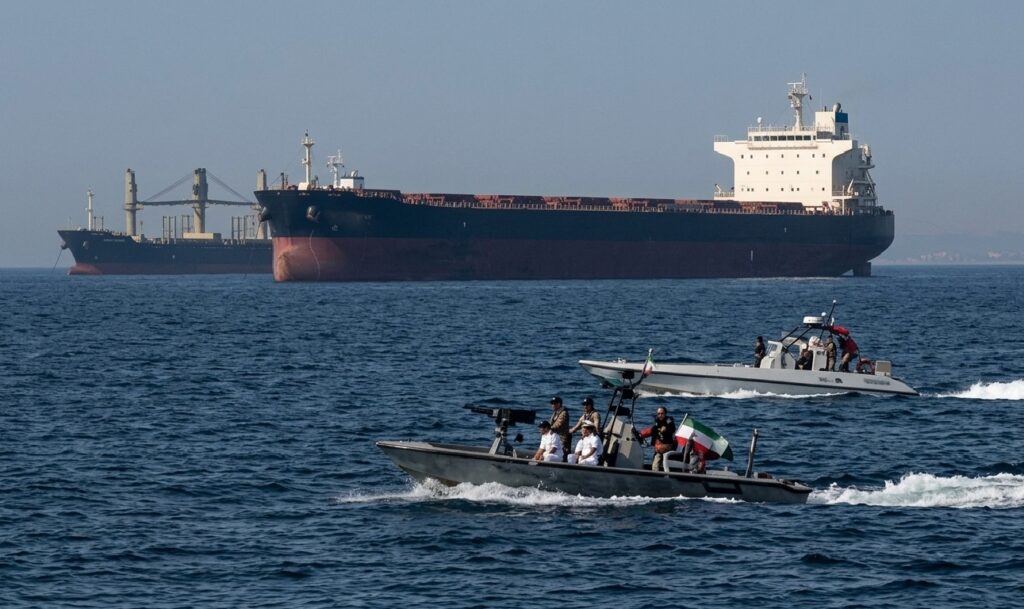
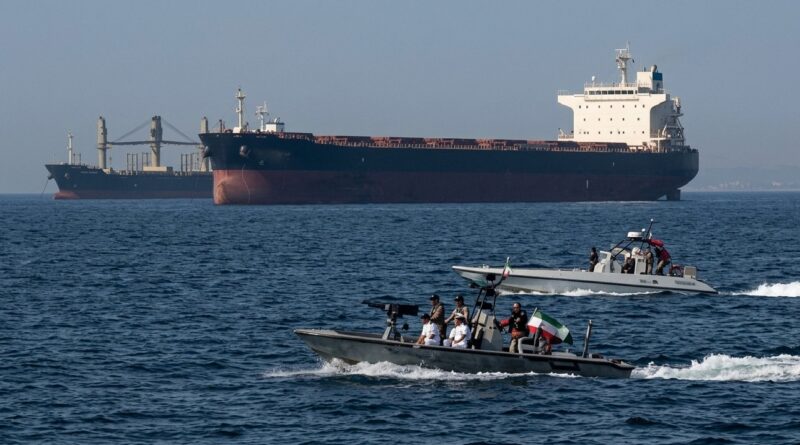
The Strait of Hormuz has once again become a flashpoint for global maritime security. On April 22, 2026, a series of aggressive maneuvers by Iran’s Islamic Revolutionary Guard Corps (IRGC) led to the firing upon and subsequent seizure of multiple commercial vessels, threatening to derail fragile regional ceasefire efforts.
A Morning of Escalation
The day began with a series of distress calls to the United Kingdom Maritime Trade Operations (UKMTO). According to reports, a Liberia-flagged container ship, the Epaminondas, was approached by an IRGC gunboat approximately 15 nautical miles northeast of Oman. Without warning, the gunboat opened fire, reportedly causing significant damage to the ship’s bridge.
Shortly after, a second report emerged of an outbound cargo ship—identified by Iranian sources as the Euphoria—coming under fire and stopping in the water about 8 nautical miles west of Iran. A third vessel, the Panama-flagged MSC Francesca, was also targeted in the same area. Maritime intelligence firm Vanguard confirmed that the MSC Francesca sustained damage to its hull and crew quarters after being ordered to anchor by Iranian forces.
The Seizures and Allegations
Following the kinetic strikes, Iranian state media confirmed that the IRGC Navy had officially seized the Epaminondas and the MSC Francesca, escorting them to the Iranian coast. The IRGC defended the action, citing two primary reasons for the intervention:
- Unauthorized Transit: Claims that the vessels were operating without required permits.
- Navigational Tampering: Allegations that the ships had manipulated their navigation systems (likely referring to AIS “dark” transits) to bypass monitoring.
The IRGC issued a stern warning, stating that “disrupting order and safety in the Strait of Hormuz is our red line.”
Strategic Context
These incidents do not exist in a vacuum. The region is currently grappling with the fallout of a U.S.-led naval blockade of Iranian ports and the expiration of a conditional ceasefire.
Maritime Impact
The Strait of Hormuz remains the world’s most sensitive chokepoint, traditionally handling nearly 20% of global oil and liquefied natural gas (LNG) supply. The targeting of vessels operated by Mediterranean Shipping Company (MSC), one of the world’s largest shipping lines, signals a high-stakes move by Tehran to assert control over the waterway and retaliate against recent U.S. seizures of Iranian-flagged tankers.
Safety Advisory
The UKMTO continues to advise all vessels transiting the area to exercise extreme caution, maintain a high state of vigilance, and report any suspicious activity immediately.
While all crew members from the involved vessels are reported safe, the physical damage to the ships and their forced diversion to Iranian waters mark a significant escalation in the ongoing maritime shadow war.