
The Rising Tide: Understanding Islamabad’s HIV Surge (2025–2026)
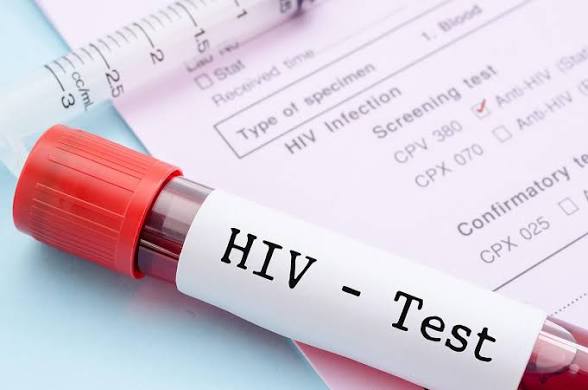
Recent data from the Ministry of National Health Services Regulations and Coordination has unveiled a sobering reality for the federal capital; Islamabad is facing a sustained and concerning increase in HIV cases. Between January 2025 and March 2026, 618 new infections were recorded, signaling a persistent transmission trend that health officials warn is deeply rooted in urban high-risk networks.
The Numbers: A Consistent Upward Trend
The statistical breakdown reveals a relentless month-on-month progression. In 2025 alone, 498 cases were registered, followed by an additional 120 cases in just the first quarter of 2026.
- Peak Periods: July 2025 saw the highest spike with 63 cases, followed closely by September (52) and August (45).
- Steady Baseline: Even in “low” months like June and December, at least 31 new cases were reported, indicating that the virus is constantly circulating within the community.
Demographics: Men at the Center of the Crisis
The demographic data highlights a clear and dominant trend: adult men are the most affected group, accounting for over 64% of the total cases (397 out of 618).
| Group | Number of Cases |
| Adult Males | 397 |
| Adult Females | 106 |
| Transgender Persons | 93 |
| Children (Male & Female) | 22 |
While men comprise the majority, the presence of over 100 cases in women and 22 cases in children is a “red flag” for health experts. It suggests a “spillover effect,” where the virus moves from high-risk groups into the broader population, including spouses and families.
The “Chemsex” Factor: Drugs and Unsafe Practices
Perhaps the most alarming revelation from health officials at the Pakistan Institute of Medical Sciences (PIMS) is the link between HIV transmission and methamphetamine use (locally known as “Ice”).
Experts have identified a growing pattern of “chemsex”—engaging in sexual activity while under the influence of stimulants. This behavior is particularly prevalent among young men and contributes to the spread of the virus in several ways:
- Reduced Inhibition: Stimulants lower a person’s judgment, leading to multiple partners and the rejection of protection.
- Increased Physical Risk: Doctors note that encounters under the influence of “Ice” are often prolonged, significantly increasing the likelihood of transmission.
- High-Risk Networks: These practices are being reported across various urban networks, including men who have sex with men (MSM), transgender communities, and sex workers.
- The Path Forward: Testing and AwarenessThe “consistent detection” of cases in Islamabad serves as a wake-up call. Health officials emphasize that the current data is likely just the tip of the iceberg, representing only those who have come forward for testing.
To contain the spread, the Ministry is calling for:
- Expanded Testing: Making HIV screenings more accessible and less stigmatized in urban centers.
- Targeted Interventions: Addressing the dual crisis of drug addiction and sexual health, specifically focusing on the dangers of methamphetamine.
- Community Awareness: Breaking the silence around high-risk behaviors to protect not just the individuals involved, but their families and the wider public.
As Islamabad grapples with these rising figures, the message from health experts is clear; Without a coordinated effort to tackle the root causes, particularly the intersection of drug use and unsafe sex—the federal capital risks a much larger public health emergency.