
The Energy Eclipse: Gulf Crisis Triggers Unprecedented Global and Asian Shockwaves
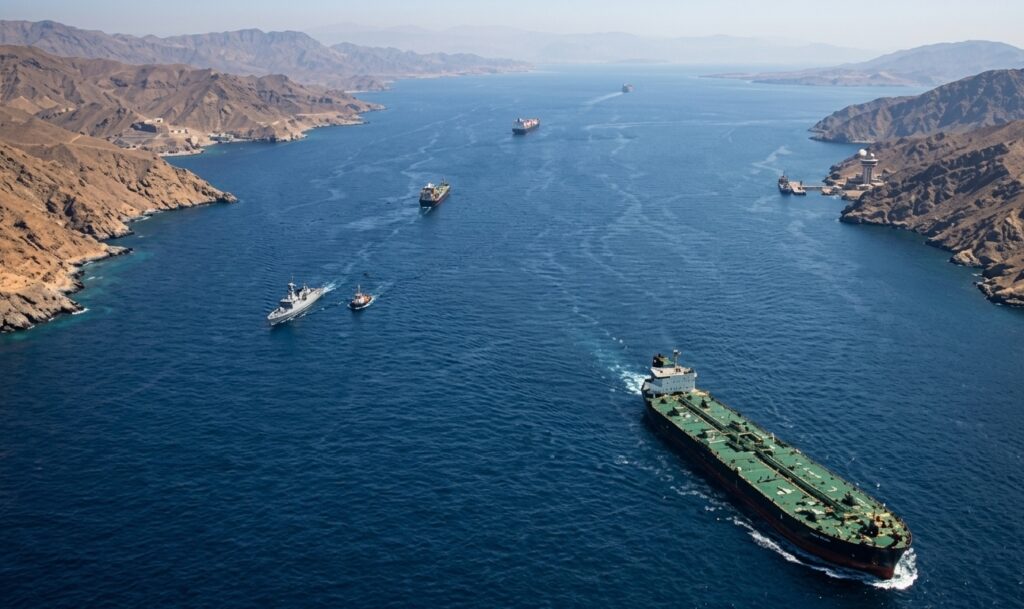
The global energy landscape has been scorched by a supply disruption of historic proportions. According to recent Reuters calculations and industry data, the conflict involving Iran has effectively erased over $50 billion in crude oil value from the global economy in just 50 days. As the dust begins to settle following a ceasefire accord in Lebanon, the scale of the damage is becoming clear: the world is facing the largest energy supply shock in modern history.
Since the crisis erupted in late February, more than 500 million barrels of crude and condensate have been knocked out of the market. To put that figure into perspective, it is the equivalent of halting every car, truck, and bus on the planet for 11 days, or completely starving the global economy of oil for five days straight.
Ground Zero: The Asian Vulnerability
While the crisis is global, its “ground zero” is undoubtedly Asia. Unlike the United States, which has grown increasingly self-sufficient, Asian economies remain tethered to the Strait of Hormuz. Roughly 75% of all oil and nearly 60% of all LNG exported from the Gulf is destined for Asian ports, making the region the primary victim of this 40% production drop.
- The East Asian Shutdown: Japan and South Korea, which import between 70% and 95% of their oil from the Gulf, have been forced to tap Strategic Petroleum Reserves (SPR) at record rates. Japan has already initiated emergency energy-saving protocols, while South Korean industrial hubs face strict power rationing.
- The Manufacturing Bottleneck: The shortage of Naphtha—a critical feedstock for the petrochemical industry—has crippled Asian crackers. Refineries across the region were forced to cut production by roughly 6 million barrels per day in April, threatening the global supply chain for electronics and plastics.
- National Emergencies: In the Philippines, President Marcos Jr. declared a state of national energy emergency, citing that the nation’s jet fuel reserves have dwindled to a mere 39-day supply.
A Production Void of Titanic Proportions
The heart of the crisis lies in the Gulf Arab states, where production plummeted by a staggering 40% in March. The loss of roughly 8 million barrels per day (bpd) is a deficit so vast it mirrors the combined total output of Exxon Mobil and Chevron—the two largest titans of the Western energy industry.
While Iranian Foreign Minister Abbas Araqchi recently signaled that the Strait of Hormuz is technically “open,” the physical and economic infrastructure required to move oil through that artery remains in a state of paralysis. U.S. President Donald Trump has expressed optimism that a final deal to end the war would come “soon,” yet for the energy markets, the damage is already systemic.
”The aftershock of this crisis will be felt for months and even years to come,” analysts warned, noting that the $50 billion in lost revenue is roughly equivalent to the entire annual GDP of nations like Latvia or Estonia.
The Aviation Crisis: Empty Skies and Dry Tanks
Perhaps the most visible casualty of the production halt has been the international aviation sector. The Gulf states—Saudi Arabia, the UAE, Qatar, Kuwait, Bahrain, and Oman—are the world’s primary refiners and exporters of high-quality jet fuel.
Data from Kpler reveals a harrowing collapse in exports:
- February: 19.6 million barrels exported.March/April (to date): 4.1 million barrels exported.
This 79% drop in jet fuel availability has sent ripples through international flight schedules. Reuters estimates that the missing fuel would have been sufficient to power 20,000 round-trip flights between New York’s JFK and London Heathrow. For an airline industry still finding its footing in a volatile post-pandemic economy, this “fuel famine” threatens to spike ticket prices and curtail international cargo routes for the foreseeable future.
The Long Road to Restoration
Despite the diplomatic maneuvers suggesting a de-escalation, energy analysts are sounding the alarm on the “recovery myth.” The idea that taps can simply be turned back on to pre-war levels is, according to experts, wishful thinking.
- Infrastructure Integrity:Months of kinetic conflict have likely damaged offshore rigs, pipeline pumping stations, and terminal facilities. Repairing specialized equipment in the Gulf requires a stable security environment and a massive influx of technical labor that has fled the region.
- Logistics and Insurance:Even with the Strait of Hormuz open, maritime insurance premiums for tankers remain at prohibitive highs. Shipowners are hesitant to send multi-million dollar vessels into waters that were active combat zones just days ago.
- The Economic “Aftershock”:With crude prices averaging $100 a barrel throughout the conflict, the inflationary pressure on global manufacturing and transport is already baked into the system. Johannes Rauball, a senior crude analyst at Kpler, noted that the lost revenue represents a 1% hit to Germany’s annual GDP, illustrating how a regional conflict in the Middle East translates directly into a standard-of-living tax for the rest of the world.
Conclusion
The “Great Energy Eclipse” of 2026 serves as a stark reminder of the world’s continued, fragile dependence on the Gulf’s “Blue Barrel.” While politicians talk of ceasefire and peace deals, the energy market is looking at a calendar measured in years, not weeks. The 500 million barrels already lost cannot be recovered; they represent a permanent dent in the global wealth of the 21st century. As the world waits for the flow of oil to resume, the lesson is clear; the cost of war in the world’s primary energy corridor is a price that every consumer, from the commuter in Berlin to the pilot in New York, will be paying for a long time to come.